Quick Answer
Diesel fuel consumption can rise because of load changes, poor maintenance, fuel quality, site conditions, or operating patterns.
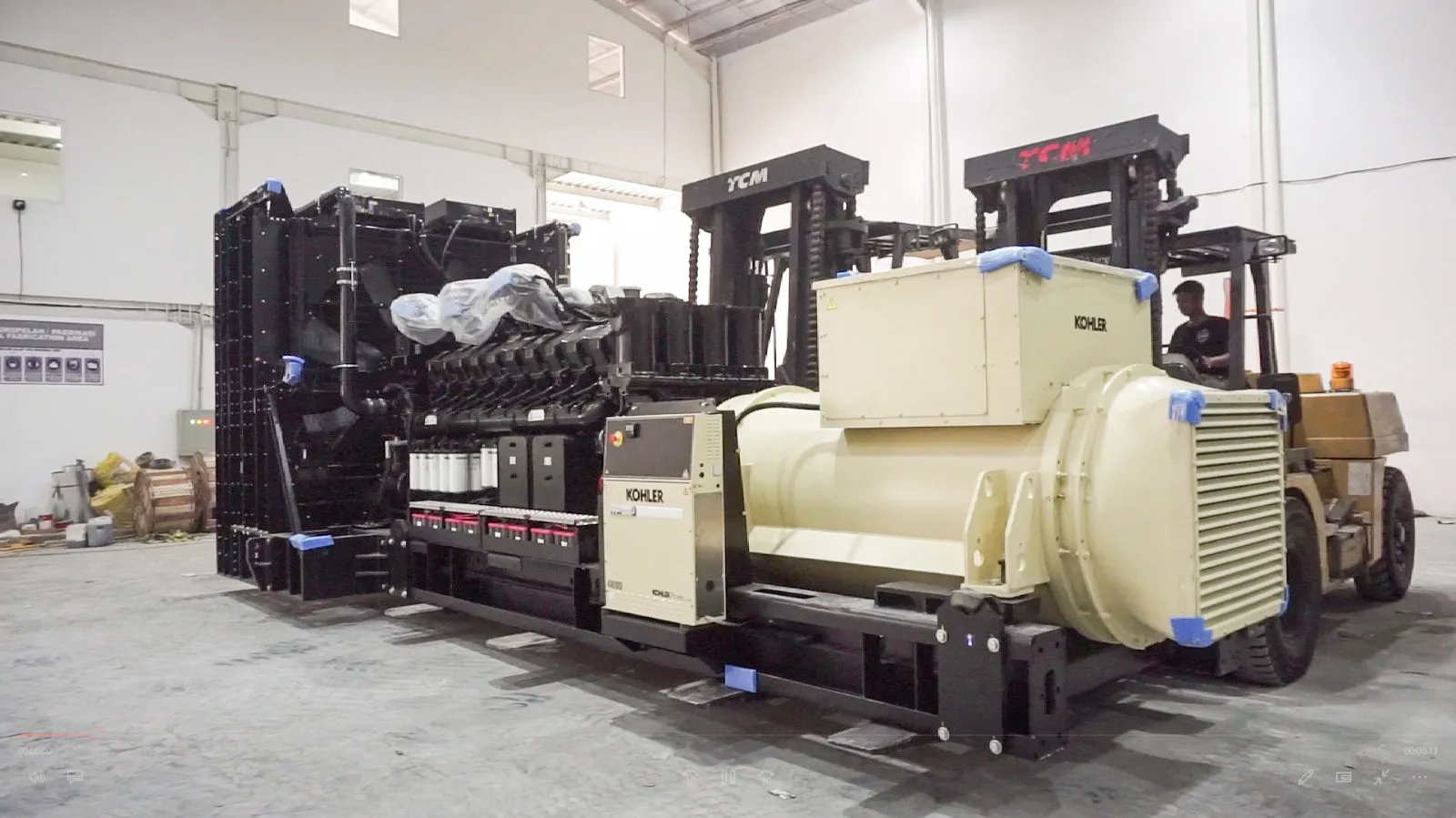
An increase in diesel fuel consumption does not always mean that the engine has developed a serious fault. The generator may simply be supporting a higher load, operating for longer periods, or working under different site conditions. However, a persistent change without a clear operational reason deserves further investigation.
The most useful approach is to compare fuel use with electrical output and operating time. Fuel volume alone provides limited information because a generator that produces more power will naturally consume more fuel.
Establish a Reliable Consumption Baseline
Before looking for a fault, the facility needs a dependable baseline. The team should know how much fuel the generator normally consumes at comparable load levels and operating conditions.
Manufacturer data can provide an initial reference, but actual consumption may differ because of installation, ambient conditions, fuel properties, equipment age, and auxiliary loads. Therefore, site records provide valuable context.
A practical log can include:
- generator operating hours;
- average and peak electrical load;
- energy produced, if metering is available;
- tank levels before and after operation;
- fuel deliveries or transfers;
- ambient temperature;
- and maintenance or alarm events.
The team should use consistent measurement methods. Comparing a manual tank reading on one day with a flow-meter value on another can produce misleading conclusions.
How Load Affects Diesel Fuel Consumption
Electrical load has a direct relationship with the work performed by the engine. When the connected load increases, the engine needs more fuel to maintain speed and produce additional power.
For example, a facility may add production equipment, cooling systems, pumps, or temporary loads without updating its generator records. If the operating team only compares hourly fuel volume, the increase may appear abnormal even though the generator produces more electricity.
A better comparison uses fuel consumption alongside kW output or energy produced. This approach helps distinguish a genuine efficiency problem from a normal response to increased demand.
Overloading Raises Fuel Demand and Operating Risk
When a generator operates beyond its intended rating, fuel demand can increase while voltage, frequency, temperature, and exhaust conditions become harder to control.
Repeated overloading can also accelerate component wear. Therefore, the team should compare the measured load with the appropriate generator rating and operating category rather than relying only on the nameplate’s largest number.
If load peaks occur during motor starting, the team should also review their duration and frequency. Short transients affect the system differently from sustained overload.
Very Low Load Can Reduce Overall Efficiency
A lightly loaded generator may consume less fuel per hour than a heavily loaded unit. However, it can use more fuel for each unit of electricity produced.
Diesel engines generally perform more efficiently within an appropriate operating range. Prolonged operation at very low load can also contribute to incomplete combustion, carbon deposits, and wet stacking in certain conditions.
The correct response is not to apply unnecessary load merely to increase consumption. Instead, the facility should review generator sizing, load management, operating duration, and manufacturer recommendations.
Clogged Air Filters Can Affect Combustion
The engine requires sufficient clean air for combustion. A restricted air filter can reduce airflow and affect engine performance, particularly when the generator carries a substantial load.
Dusty sites may require more frequent inspection than clean indoor environments. However, the team should not replace filters solely according to a generic interval. Filter condition indicators, site conditions, operating hours, and manufacturer guidance provide a better basis.
Airflow restrictions can also occur outside the filter. Blocked louvers, poorly arranged ducting, recirculated hot air, or objects placed near the intake may affect the engine and cooling system.
Fuel Filters and Injector Condition Matter
The fuel system must deliver the correct amount of clean fuel at the required pressure. Restricted filters, contaminated fuel, injector wear, or poor atomization can reduce combustion quality.
Possible signs include unstable operation, difficult starting, reduced power, abnormal exhaust smoke, or a change in engine sound. However, these symptoms can have several causes, so technicians should avoid replacing components without diagnosis.
Injector testing and fuel-system adjustments require appropriate tools and technical competence. The operating team can record symptoms and basic readings, while qualified personnel perform more detailed checks.
Fuel Quality Can Change Engine Performance
Fuel can collect water, sediment, microbial contamination, or other impurities during storage. Long storage periods and unsuitable tank conditions may increase the risk.
Contaminated fuel can restrict filters and interfere with injection. Meanwhile, fuel properties may vary between deliveries, which can influence combustion and measured consumption.
A fuel-management program may include:
- periodic tank inspection;
- water and sediment checks;
- controlled filtration;
- delivery records;
- and appropriate fuel testing when a problem appears.
The facility should also verify that the fuel meets the engine manufacturer’s requirements. Additives or corrective treatments should not be applied without understanding their compatibility and purpose.
Cooling Problems Can Increase Engine Stress
A generator relies on its cooling system to maintain a suitable operating temperature. Dirty radiators, low coolant levels, damaged hoses, ineffective fans, or hot-air recirculation can make the engine work under excessive thermal stress.
A high-temperature condition does not always cause an immediate increase in measured fuel use. Nevertheless, it can reduce performance, trigger derating, or create operating instability that affects overall efficiency.
The team should inspect the radiator, coolant level, ventilation path, and alarm history. Any work on a hot or pressurized cooling system should follow safe procedures and manufacturer guidance.
Site Conditions Influence Available Power
High ambient temperature and elevation can reduce the amount of oxygen available to the engine and limit cooling performance. Depending on the generator specification, these conditions may reduce the power it can deliver without derating.
If the facility tries to maintain the same output under more demanding conditions, operating margins can become smaller. Therefore, site conditions should form part of the original equipment selection and any later performance review.
Poor room ventilation can create a similar problem even at a moderate outdoor temperature. If hot radiator discharge returns to the intake, the generator may experience a much higher local temperature than expected.
Auxiliary Equipment Also Uses Power
Fuel calculations sometimes focus only on the main facility load. However, the generator system may also supply radiator fans, fuel-transfer pumps, ventilation fans, heaters, battery chargers, or other auxiliaries.
These loads may appear small individually, but they still contribute to total demand. Changes to ventilation or fuel systems can therefore affect measured consumption.
The team should confirm whether metered electrical output includes all auxiliary loads. Without a clear measurement boundary, fuel-efficiency comparisons may become inconsistent.
Engine Wear and Incorrect Adjustments
As an engine accumulates operating hours, wear can affect compression, injection, turbocharger performance, and combustion. Incorrect valve clearance, timing, or control settings may also influence fuel use.
However, age alone does not prove that an overhaul is necessary. The team should consider oil consumption, exhaust condition, operating stability, test results, and maintenance history before drawing conclusions.
A structured diagnosis can help separate an engine problem from a load, measurement, fuel, or site issue. This prevents unnecessary component replacement.
Check for Leaks and Unrecorded Fuel Loss
Not every apparent increase in diesel fuel consumption occurs inside the engine. Fuel may leak from tanks, pipes, fittings, filters, or return lines. Transfer-system faults can also move fuel in ways that tank records do not capture correctly.
Small leaks require attention because they create safety and environmental risks, even if they do not significantly affect the consumption calculation.
The facility should inspect visible fuel-system components and investigate unusual odors, stains, or unexpected tank-level changes. Teams should handle any repair according to site safety procedures.
In addition, fuel deliveries and manual withdrawals need accurate records. Missing transactions can make normal inventory movement look like excessive engine consumption.
Measurement Errors Can Create a False Trend
Tank gauges, flow meters, hour meters, and electrical meters all have limitations. Irregular tank shapes, generator vibration, temperature changes, and reading technique can affect the result.
A short test may also exaggerate small measurement errors. Longer observation periods at a stable load usually produce more useful data.
When consumption appears abnormal, the team should first confirm:
- that the operating hours are correct;
- that the load measurement covers the intended equipment;
- that tank readings use the same method;
- that fuel transfers are recorded;
- and that the comparison uses similar operating conditions.
This verification can prevent unnecessary maintenance work based on inaccurate data.
Operational Patterns May Have Changed
Frequent starts, short operating cycles, extended idling, and repeated load changes can affect overall fuel use. A generator that runs for many short periods may show different efficiency from the same unit operating steadily.
The facility may also keep the generator running after the critical load has stopped because operators want additional assurance. Although this decision may support operational continuity, it should still appear in the consumption analysis.
Reviewing operating procedures can reveal opportunities to reduce unnecessary running time without compromising safety or reliability.
Use Trends Instead of a Single Reading
One isolated reading rarely provides enough evidence to diagnose an efficiency problem. A stronger evaluation compares fuel, load, runtime, alarms, and maintenance events over time.
For example, a gradual increase at similar load levels may justify inspection of filters, injectors, airflow, and engine condition. A sudden change after adding equipment may point to a legitimate rise in demand.
If a facility is selecting or reviewing a diesel generator, it should compare consumption at several load points rather than relying on one headline figure. This creates a more realistic view of operating cost.
Conclusion
Diesel fuel consumption can increase because of higher load, inefficient low-load operation, restricted airflow, fuel-system problems, poor fuel quality, demanding site conditions, engine wear, leaks, or inaccurate measurement.
The investigation should begin with reliable records. By comparing fuel use with load and runtime, the team can determine whether the change reflects normal operation or a developing technical issue.
For organizations that need a broader review of generator capacity, operating conditions, or system performance, PT Conductorjasa Suryapersada can help evaluate the relevant technical factors. Consistent monitoring remains the most practical way to detect changes early and plan an appropriate response.
Frequently Asked Questions
Why does a diesel generator suddenly consume more fuel?
A sudden increase may result from higher electrical load, clogged filters, injector problems, fuel leaks, measurement errors, or changes in operating conditions. Comparing load and fuel data can help narrow down the cause.
Does a generator consume less fuel when running at a low load?
Total hourly consumption may decrease, but fuel use per unit of electricity can become less efficient at low load. Prolonged light-load operation may also contribute to deposits and other engine problems.
Can poor-quality fuel increase generator consumption?
Contaminated, degraded, or unsuitable fuel can interfere with combustion and fuel-system performance. The actual effect depends on the fuel condition and the engine.
How can a company monitor generator fuel efficiency?
The company can record operating hours, electrical load, fuel added, tank levels, alarm history, and maintenance activity. Comparing consistent data over time helps identify abnormal trends.