Quick Answer
Perkins generator maintenance helps industrial facilities reduce downtime and keep backup power ready for operation.
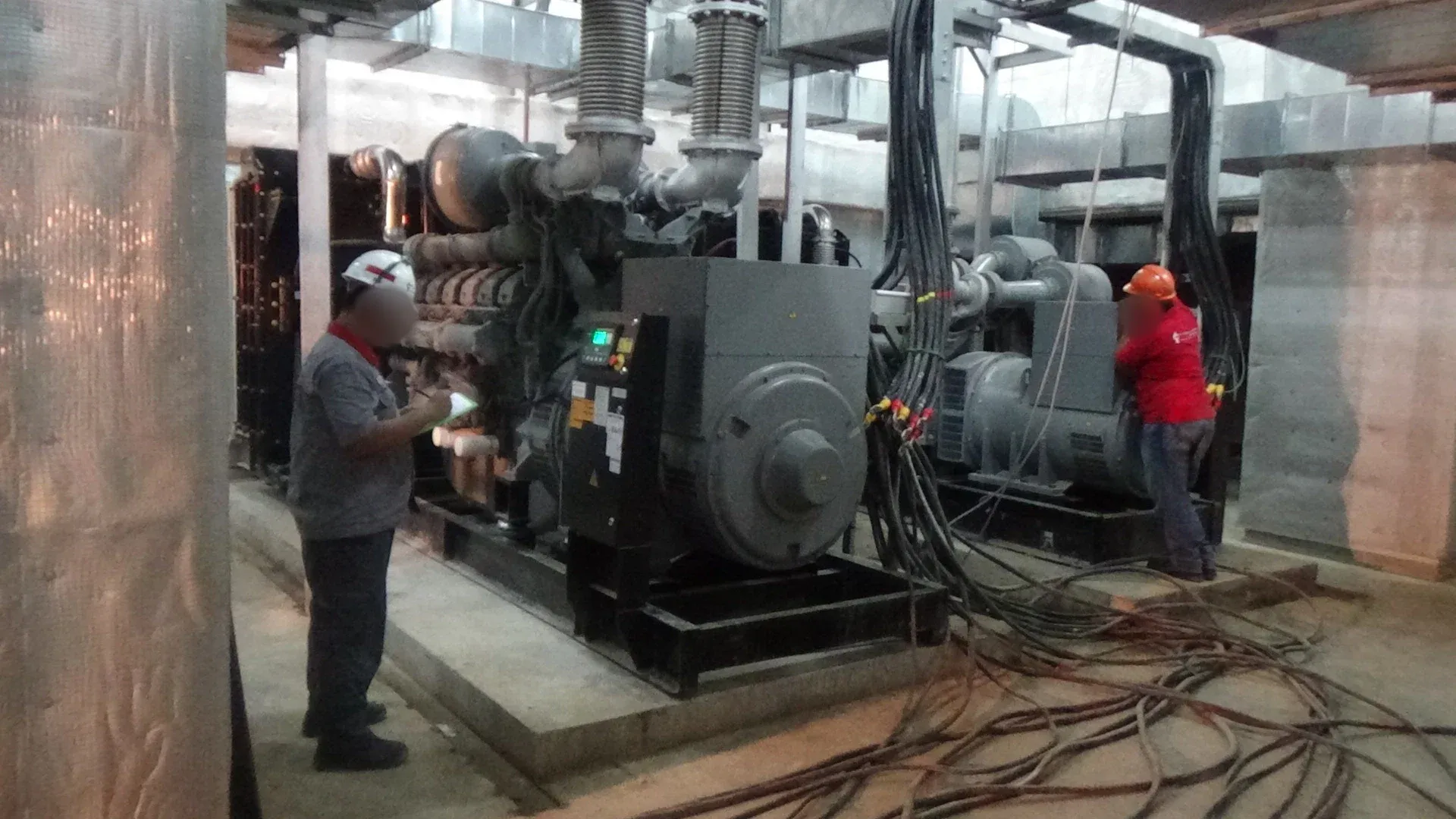
Perkins generator maintenance helps industrial facilities keep their backup or primary power systems ready for operation. A generator may remain idle for long periods, yet it must start and accept critical loads when the normal power source fails.
For that reason, maintenance should follow a planned schedule rather than begin only after an alarm or failure occurs. Regular inspection, operational testing, fluid management, and accurate service records help companies identify developing problems before they interrupt production or facility services.
Why Perkins Generator Maintenance Supports Reliable Operations
Industrial generators often support production equipment, pumps, control systems, communication devices, safety systems, and other essential loads. A starting failure or unstable output can therefore affect more than the generator itself.
Dust, heat, humidity, fuel contamination, low battery charge, coolant leaks, and long idle periods can gradually reduce readiness. Although the engine may appear normal during a visual inspection, the complete system still requires routine checks and representative testing.
A structured Perkins generator maintenance program helps the facility team coordinate inspections, service intervals, testing, and component replacement according to operating conditions.
Build a Perkins Generator Maintenance Schedule
Each Perkins engine has specific service requirements. Therefore, the maintenance team should identify the engine model, serial number, operating rating, application, and relevant Operation and Maintenance Manual before creating a schedule.
The manual provides engine-specific information about maintenance intervals, refill capacities, fluid recommendations, safety procedures, and service tasks. Site conditions may require additional attention, especially when the generator operates in a hot, humid, dusty, or corrosive environment.
Combine Operating Hours and Calendar Intervals
Maintenance teams should monitor both engine hours and calendar time. A standby generator may accumulate few operating hours, but oil, coolant, fuel, batteries, seals, and hoses can still deteriorate while the unit remains idle.
Consequently, the schedule should follow whichever limit arrives first. This approach prevents low operating hours from creating a false sense that the generator does not yet need service.
Define Inspection Responsibilities
Clear responsibilities help the maintenance program remain consistent. Operators may handle routine visual checks, while trained technicians complete fluid changes, adjustments, diagnostics, and component replacement.
The team should also define who reviews alarms, approves repairs, maintains service records, and confirms that the unit has returned to operational readiness.
Start With Routine Generator Inspections
Routine inspection provides an opportunity to identify visible problems before starting the engine. First, check the generator area for leaks, loose components, blocked ventilation, unusual odours, or signs of contamination.
Next, inspect the engine oil, coolant, fuel supply, belts, hoses, batteries, wiring, and air intake. The team should investigate any abnormal condition rather than clearing an alarm or topping up fluid without identifying the cause.
Check Before and After Operation
A pre-start inspection confirms that the generator can operate safely. Meanwhile, a post-operation check may reveal leaks, abnormal temperatures, unusual noise, vibration, or exhaust conditions that only appear after the engine runs.
Consistent inspections also create a useful performance history. Small changes become easier to recognise when technicians compare current findings with earlier records.
Protect the Lubrication System
Engine oil reduces friction, carries heat, and helps protect internal components. Therefore, technicians should monitor oil level and condition according to the engine manual.
An oil level that repeatedly falls may indicate leakage or consumption. Conversely, a rising level can signal contamination that requires investigation. Unusual colour, odour, or consistency may also point to a developing problem.
During scheduled service, use fluids and filters that meet the applicable engine specification. In addition, follow the correct replacement procedure and record the operating hours at each service.
Maintain Fuel Quality and Supply
Fuel condition directly affects starting and combustion. Water, sediment, microbial growth, or degraded fuel can block filters and interfere with the injection system.
Facilities should inspect the tank, fuel lines, filters, water separator, and transfer system. Furthermore, the maintenance plan should address fuel storage duration and replenishment, especially for standby units that consume fuel infrequently.
If a site relies on extended generator operation, the team should confirm fuel autonomy and delivery arrangements before an emergency. This preparation protects the value of Perkins generator maintenance by ensuring that a serviceable engine also has a reliable fuel supply.
Keep the Cooling System Effective
The cooling system must remove heat under actual operating load. For this reason, technicians need to inspect coolant level, coolant condition, radiator surfaces, hoses, clamps, the fan, and signs of leakage.
Dust or restricted airflow can reduce cooling performance. Likewise, damaged hoses or loose connections may remain unnoticed until temperature and pressure increase during operation.
Use coolant that meets the applicable specification and avoid mixing incompatible products. More importantly, investigate recurring coolant loss instead of repeatedly adding fluid without finding the source.
Inspect Batteries and the Starting System
A healthy engine cannot start without a dependable electrical system. Batteries therefore require regular checks even when the generator rarely operates.
Inspect battery condition, terminal cleanliness, cable security, charger operation, and starting performance. In addition, confirm that the control panel receives the correct supply and displays no unresolved warning.
Temperature and battery age can affect starting capacity. As a result, companies should replace weak batteries before they create an operational failure rather than waiting for the generator to miss a start command.
Test Perkins Generator Maintenance Results Under Load
A short no-load run confirms basic starting and circulation, but it does not fully demonstrate generator performance. Loaded operation provides a clearer view of engine response, voltage and frequency stability, cooling capacity, and system integration.
Where practical, use representative facility loads or a suitable load bank. The test should follow an approved procedure and remain within the generator rating and site safety requirements.
Verify the Complete Standby Sequence
For an automatic standby system, testing should cover more than the engine. The team should verify utility-failure detection, automatic starting, voltage and frequency buildup, load transfer, return to the normal source, and cooldown.
Technicians should also check alarms, shutdown protection, ATS/AMF operation, and any communication with the building management or supervisory system. This complete sequence confirms that the generator can support the facility when required.
Follow the Correct Manual and Service Information
Maintenance intervals can vary across engine families, applications, ratings, and operating environments. Therefore, generic checklists should not replace the manual for the specific engine.
Before servicing the generator, confirm the engine serial number and family. Then, use the corresponding Operation and Maintenance Manual for procedures, fluid requirements, capacities, and interval schedules.
This engine-specific approach prevents teams from applying another model’s requirements. It also supports more accurate planning for filters, fluids, service parts, and technician time.
Record Every Inspection and Maintenance Activity
Maintenance records turn separate service activities into a traceable program. At minimum, the facility should document:
- Date and engine operating hours.
- Inspection findings.
- Fluids and filters replaced.
- Parts used during service.
- Alarms or abnormal conditions.
- Loaded and no-load test results.
- Repairs and corrective actions.
- Technician or service provider.
- Next scheduled maintenance.
Accurate records help teams identify recurring issues, prepare budgets, manage warranties, and plan future shutdowns. Moreover, they provide useful evidence when the company investigates a failure or evaluates engine condition.
Adjust Maintenance to the Operating Environment
A standard interval provides a baseline, but actual conditions determine how closely teams need to monitor the unit. Dusty environments can affect air intake and radiator performance, while humidity may increase corrosion risk.
Frequent operation, extended runtime, fluctuating loads, and consistently high ambient temperatures can also change maintenance needs. Therefore, the facility should combine manual requirements with inspection results and operating history.
This approach allows Perkins generator maintenance to respond to real equipment conditions instead of relying on a generic schedule alone.
Avoid Reactive Generator Maintenance
Reactive maintenance begins after the generator produces an alarm, loses output, overheats, or fails to start. Although repairs remain necessary in some situations, relying on failure as the trigger increases operational risk.
Another common mistake involves running the generator briefly without checking it under meaningful load. A unit may start normally but still experience cooling, fuel, control, or load-acceptance problems during an actual outage.
Facilities should also avoid incomplete records and unverified replacement parts. These practices make future diagnosis more difficult and may create uncertainty about the work previously completed.
Coordinate Perkins Generator Maintenance With Technical Support
An effective program requires appropriate procedures, capable personnel, service information, and access to suitable parts. Internal teams can handle defined routine inspections, while trained technicians can perform scheduled servicing, diagnostics, repairs, and more complex testing.
PT Conductorjasa Suryapersada supports industrial generator requirements through inspection, preventive maintenance, repairs, and spare parts, performance testing, troubleshooting, and system evaluation.
Companies can discuss a planned Perkins generator maintenance program based on the engine model, operating hours, application, and site conditions. Consistent maintenance helps protect generator readiness and supports reliable industrial operations over the long term.
Frequently Asked Questions
How often should a Perkins generator receive maintenance?
Maintenance frequency should follow the Operation and Maintenance Manual for the specific engine model, its operating hours, calendar intervals, load profile, and site conditions.
What should technicians inspect before starting a Perkins generator?
Technicians should inspect fluid levels, leaks, batteries, belts, hoses, fuel supply, cooling components, wiring, alarms, and the area around the generator before operation.
Why should a standby generator be tested under load?
Loaded testing confirms how the generator responds to actual demand and helps technicians assess voltage, frequency, cooling performance, alarms, protection, and transfer operation.
What records should a company keep for generator maintenance?
Companies should record operating hours, inspection results, service dates, replaced parts, fluid condition, alarms, test results, repairs, and the next scheduled maintenance.