Quick Answer
Mitsubishi generator for industrial applications supports heavy loads when capacity, controls, installation, and testing match the site.
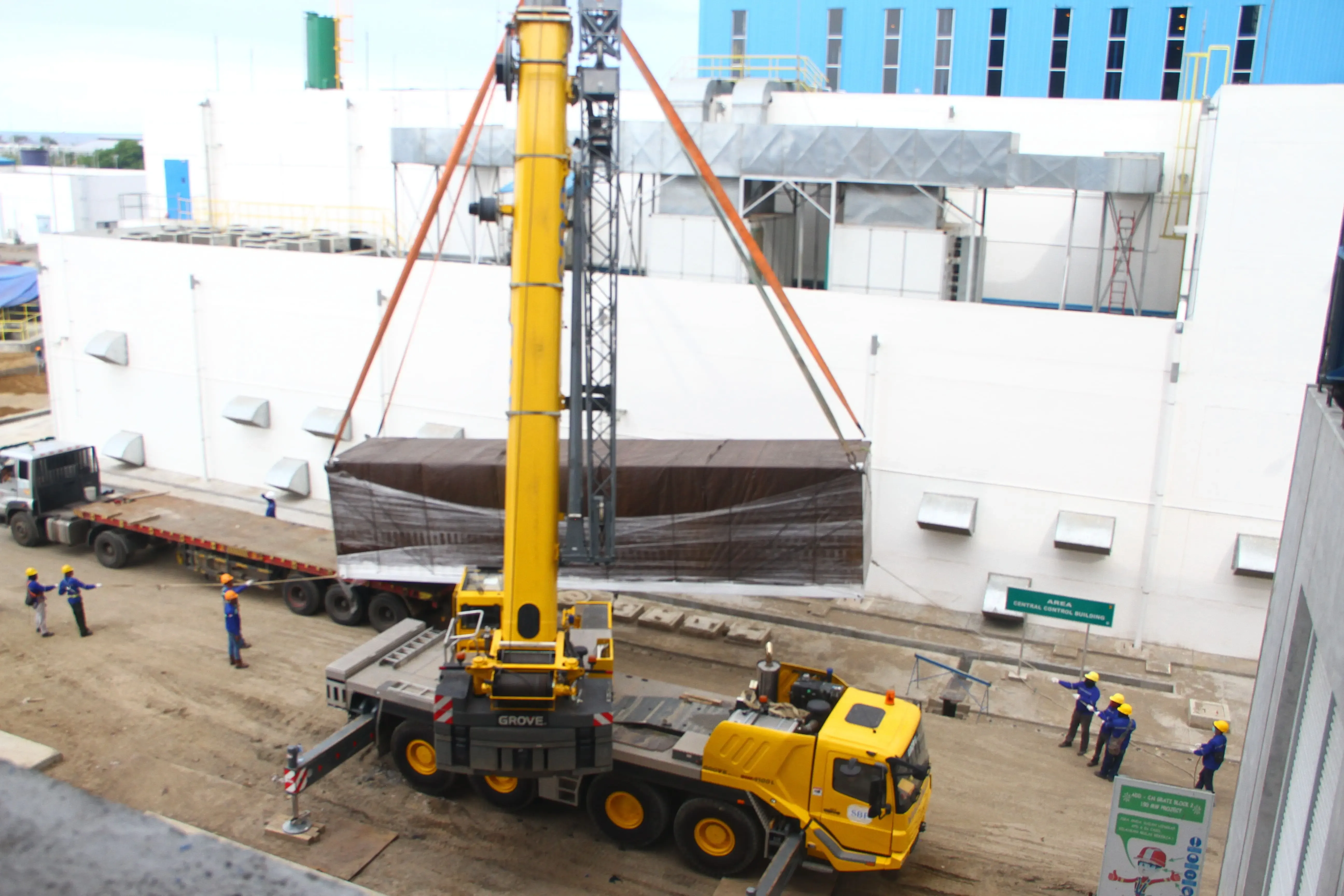
Mitsubishi generator for industrial applications can support factories, infrastructure, commercial facilities, utilities, and other operations with substantial electrical demand. However, reliable performance depends on more than choosing an engine brand or selecting a high kVA rating.
Industrial facilities may operate motors, pumps, compressors, production equipment, cooling systems, and sensitive controls at the same time. Therefore, generator selection must consider running demand, starting current, load changes, operating rating, site conditions, and system integration.
Why a Mitsubishi Generator for Industrial Applications Requires Careful Planning
Heavy loads do not always remain constant. A production line may start several motors in sequence, while pumps or compressors can introduce sudden demand. Meanwhile, automation systems require stable voltage and frequency.
A generator that supports the normal running load may still struggle when a large motor starts. For this reason, engineers need to evaluate both steady-state demand and transient load response.
Companies can review Mitsubishi generator for industrial applications as an initial product reference. The final configuration should still follow the facility’s actual load data and operating conditions.
Define the Industrial Load Profile
The connected load provides a starting point, but it does not represent actual operation. Some equipment runs continuously, while other machines operate intermittently or only during specific production stages.
First, record the operating power, power factor, starting current, starting method, duty cycle, and priority of each load. Next, identify which equipment may operate simultaneously.
Separate Critical and Noncritical Loads
Critical loads may include safety systems, process controls, essential pumps, communication equipment, cooling systems, and machinery that cannot stop suddenly. These loads should receive power first.
By contrast, operators can delay noncritical equipment until the generator stabilizes. This approach reduces the power required at one moment and helps the facility create a more efficient starting sequence.
A clear priority plan also guides ATS, AMF, or programmable control logic during a utility failure.
Size a Mitsubishi Generator for Industrial Loads Beyond Running kW
Generator sizing must cover more than the sum of normal operating power. Motors can draw considerably more current during startup, and several loads may enter the system within a short period.
The starting method influences this demand. Direct-on-line starting generally creates a larger load step, while star-delta starters, soft starters, and variable-frequency drives can reduce starting current in different ways.
However, electronic drives and power-conversion equipment may introduce harmonics or other power-quality considerations. Consequently, the alternator and excitation system must suit the complete load profile.
Control Loads on a Mitsubishi Generator for Industrial Applications
The worst operational condition does not always mean that every device starts simultaneously. Instead, engineers should identify the largest realistic load step after essential equipment has already connected.
Load sequencing can place motors and other major loads into planned groups. This strategy may reduce the required generator capacity while protecting voltage and frequency performance.
Nevertheless, the sequence must respect production and safety requirements. Equipment with interdependent processes still needs a logical and safe operating order.
Match the Generator Rating to the Required Duty
Standby, prime, and continuous ratings describe different operating duties. A standby unit generally supplies emergency power during an interruption to the normal source. Prime and continuous applications involve different operating periods and load patterns.
The facility should define expected operating hours, average load, maximum demand, and utility reliability. These details allow the supplier to select the appropriate rating rather than relying on nominal capacity alone.
Comparing two units without confirming their ratings can create a misleading result. Therefore, every technical and commercial comparison should use the same rating basis, voltage, frequency, phase, and environmental assumptions.
Review the Complete Mitsubishi Generator Configuration
The engine forms a central part of the generator set, but the alternator, controller, radiator, starting system, protection equipment, and base frame also affect performance.
For heavy loads, the alternator must support motor starting, voltage recovery, nonlinear equipment, and fault-clearing requirements. At the same time, the controller must manage monitoring, alarms, shutdown protection, remote signals, and operating sequences.
When assessing a Mitsubishi generator for industrial application, companies should request a complete technical specification. A model name and capacity figure alone do not explain how the entire system will perform.
Examine Control and Communication Requirements
A basic standby system may require automatic utility-failure detection and load transfer. Larger installations may need synchronization, load sharing, multiple-generator control, or integration with a building management system.
Defining these requirements early helps the supplier select compatible controllers, panels, communication protocols, and protection functions. It also prevents costly control changes after equipment production.
Choose the Appropriate Open or Silent Configuration
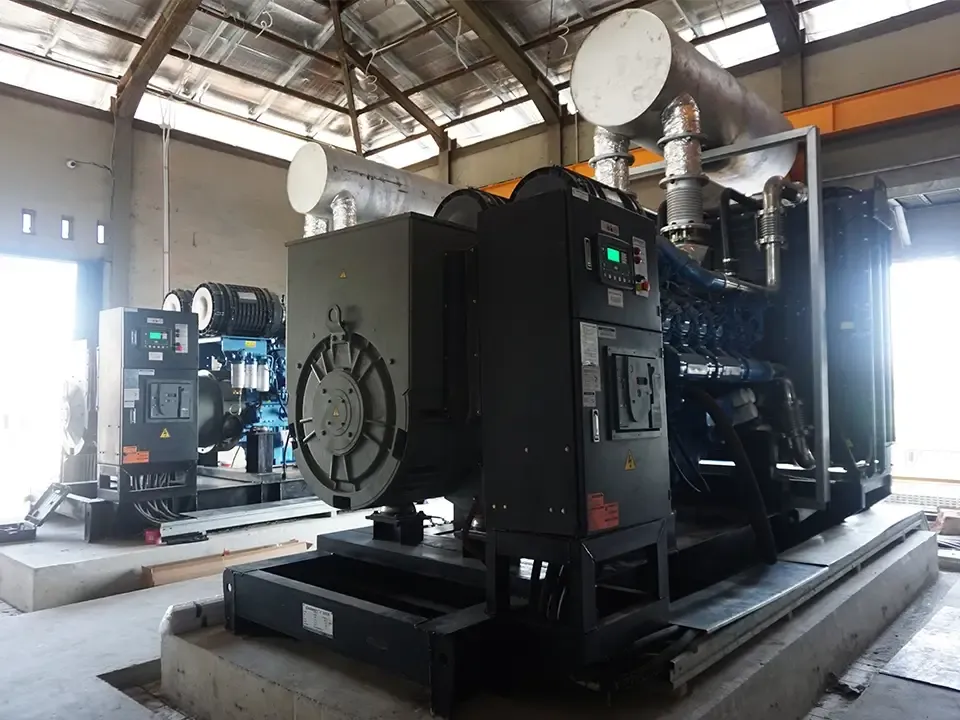
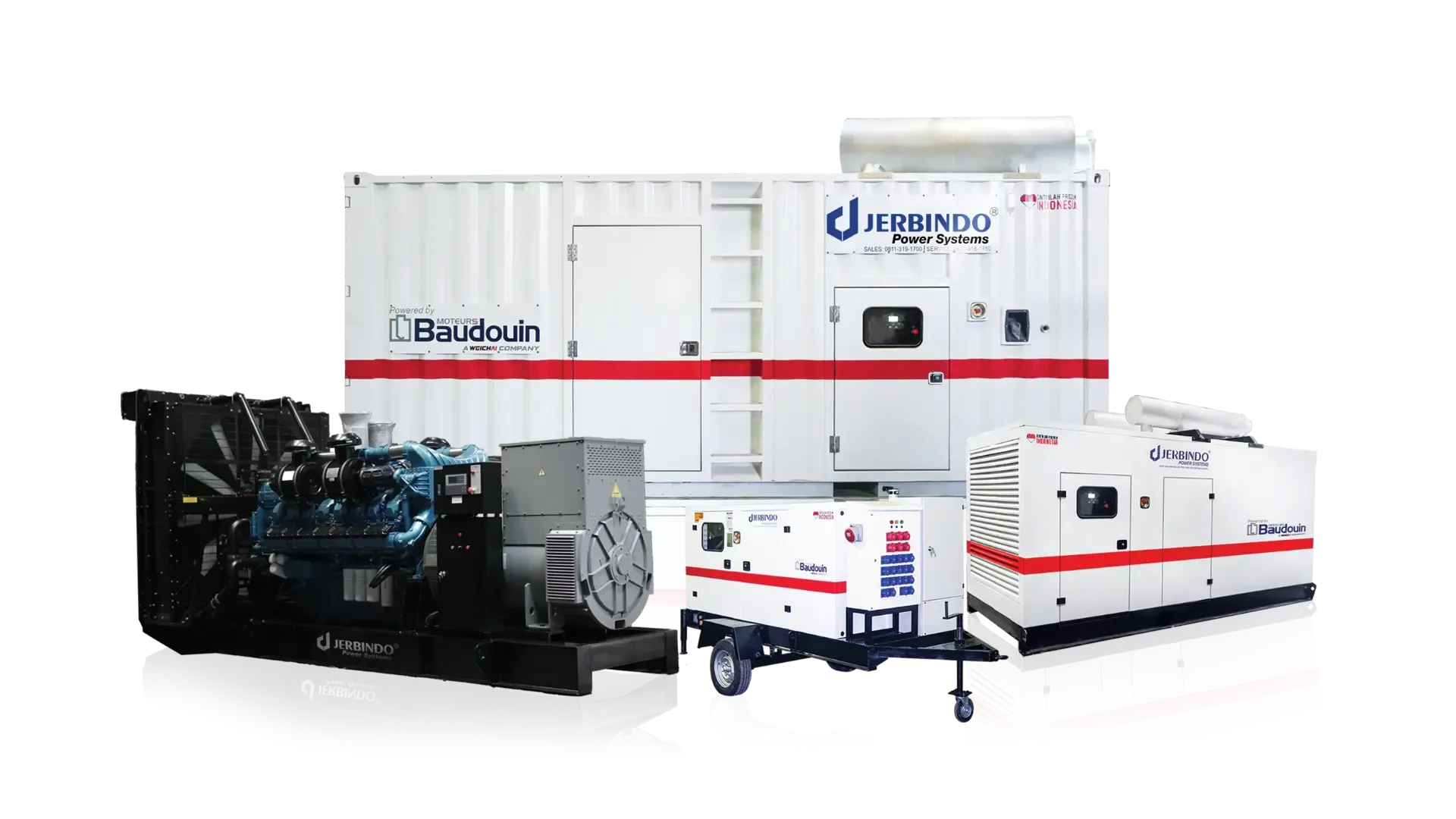
An open generator can suit a dedicated generator room with adequate ventilation, exhaust routing, acoustic treatment, and controlled access. This arrangement provides direct access for inspection and maintenance.
A silent configuration can support outdoor locations or facilities with specific noise requirements. Even so, the enclosure must provide sufficient airflow, weather protection, service access, and heat rejection.
The project team should compare the complete installation rather than the enclosure alone. An open unit may require room modifications, while a silent unit may need a suitable foundation, clearance, and external fuel arrangement.
Prepare the Industrial Site for Heavy Loads
Site conditions influence generator output, cooling, accessibility, and long-term maintenance. Before confirming the specification, the project team should review:
- Delivery, lifting, and equipment access.
- Foundation and vibration control.
- Cooling-air entry and hot-air discharge.
- Exhaust routing and insulation.
- Fuel storage and transfer.
- Cable routes and panel locations.
- Noise and weather exposure.
- Drainage and environmental conditions.
- Inspection and component-removal clearance.
High ambient temperature, altitude, dust, humidity, and corrosive air may require additional design measures. A site survey helps the supplier identify these requirements before the generator reaches the facility.
Plan Cooling, Exhaust, and Fuel Systems
Heavy loads create substantial heat. Therefore, the generator needs an effective cooling arrangement and an unobstructed path for hot air to leave the installation area.
Exhaust components must also manage temperature, backpressure, insulation, and safe discharge. Poor routing can affect engine performance and create safety concerns around the generator room.
In addition, the fuel system should support the required operating duration. The design may include a day tank, bulk storage, transfer pumps, filtration, piping, level monitoring, and procedures for replenishment.
Reliable fuel quality matters as much as tank capacity. Water, sediment, or contamination can affect filters and the injection system even when the engine itself remains serviceable.
Integrate the Mitsubishi Generator With the Electrical System
The generator must coordinate with switchgear, breakers, protection devices, transfer panels, and facility operating procedures. A standby system should detect utility failure, start the generator, confirm stable output, and transfer priority loads in the correct sequence.
Parallel systems require additional control. They must manage synchronization, load sharing, unit priority, fault response, and safe disconnection.
Protection coordination also deserves attention. The system should isolate a downstream fault without unnecessarily shutting down the entire facility.
Test a Mitsubishi Generator for Industrial Applications Under Load
No-load operation confirms basic starting and circulation, but it does not demonstrate full performance. Loaded testing shows how the generator responds to real demand.
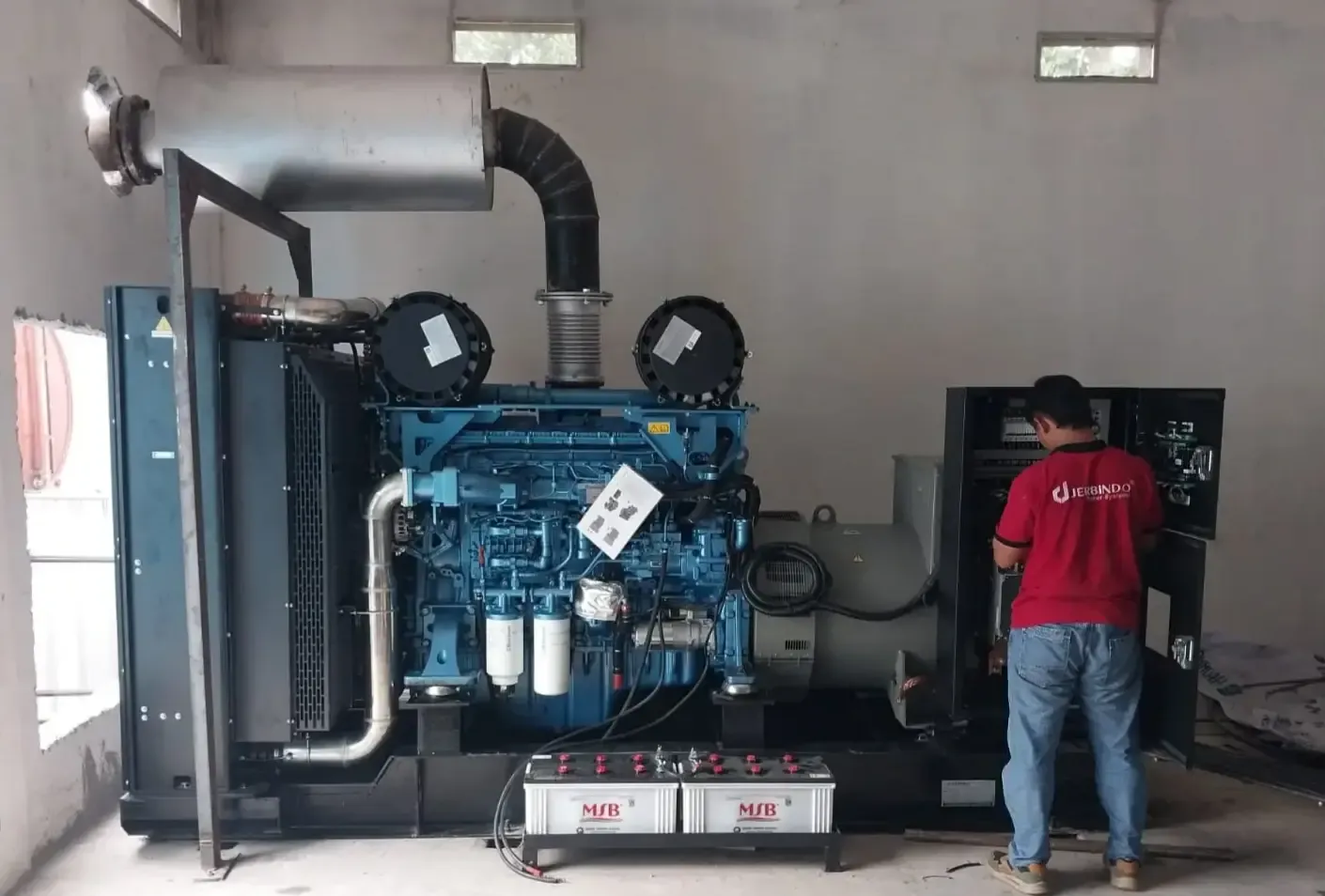
Commissioning should check starting, voltage and frequency stability, load acceptance, alarms, shutdown protection, transfer operation, cooling, and fuel supply. If the project includes multiple units, the team should also verify synchronization and load sharing.
Document the Commissioning Results
The project team should record test conditions, applied load, duration, readings, alarms, and corrective actions. These records establish a performance baseline for future inspection and maintenance.
Operator training should cover routine checks, normal operation, alarm response, emergency procedures, and shutdown. As a result, the facility receives both the equipment and the knowledge required to operate it safely.
Plan Mitsubishi Generator Maintenance and Support
Industrial generators need regular inspection even when they operate only during emergencies. Batteries, fuel, coolant, lubricants, filters, belts, hoses, wiring, and control systems can deteriorate during idle periods.
Maintenance intervals should follow the applicable engine documentation and actual site conditions. Dust, heat, humidity, frequent starts, and extended operating hours may require closer monitoring.
Spare-parts availability and technician access also affect lifecycle reliability. A technically suitable generator provides limited value if the facility cannot obtain service or essential components when required.
Avoid Common Heavy-Load Selection Mistakes
One common mistake involves using total connected load without evaluating simultaneous operation. This approach may produce an unnecessarily large generator.
Another mistake occurs when the calculation ignores motor starting and step loads. In that case, a generator may support normal running demand but fail to maintain stable output during equipment startup.
Companies should also avoid selecting a rating before defining the operating duty. Similarly, they should not finalise the unit before reviewing the site, control requirements, installation scope, and testing plan.
Build the Industrial Power System Around the Application
Mitsubishi generator for industrial facilities should form part of an integrated power system rather than function as an isolated engine and alternator package. Capacity, rating, controls, cooling, fuel, transfer equipment, installation, and maintenance must support the same operational objective.
PT Conductorjasa Suryapersada supports industrial power requirements through load assessment, generator configuration, panel integration, installation, commissioning, synchronization, testing, maintenance, and spare-parts support.
Companies can discuss a suitable Mitsubishi generator for industrial application based on their load profile, operating duty, and site conditions. A technically planned system helps heavy industrial loads operate reliably without unnecessary capacity.
Frequently Asked Questions
Is a Mitsubishi generator suitable for industrial applications?
A Mitsubishi-powered generator can support industrial applications when its capacity, operating rating, alternator, controls, cooling system, and installation match the facility’s load profile.
How should an industrial generator be sized for heavy loads?
Sizing should account for running demand, motor starting current, load steps, power factor, nonlinear equipment, operating duration, environmental conditions, and planned expansion.
Why is load sequencing important for an industrial generator?
Load sequencing connects equipment in planned stages, which reduces instantaneous demand and helps the generator maintain stable voltage and frequency.
What should commissioning test on an industrial generator?
Commissioning should test starting, load acceptance, voltage and frequency stability, alarms, protection, cooling, transfer sequences, synchronization where applicable, and operation under representative loads.