Quick Answer
Cummins generator price depends on capacity, rating, configuration, installation scope, testing, and long-term support.
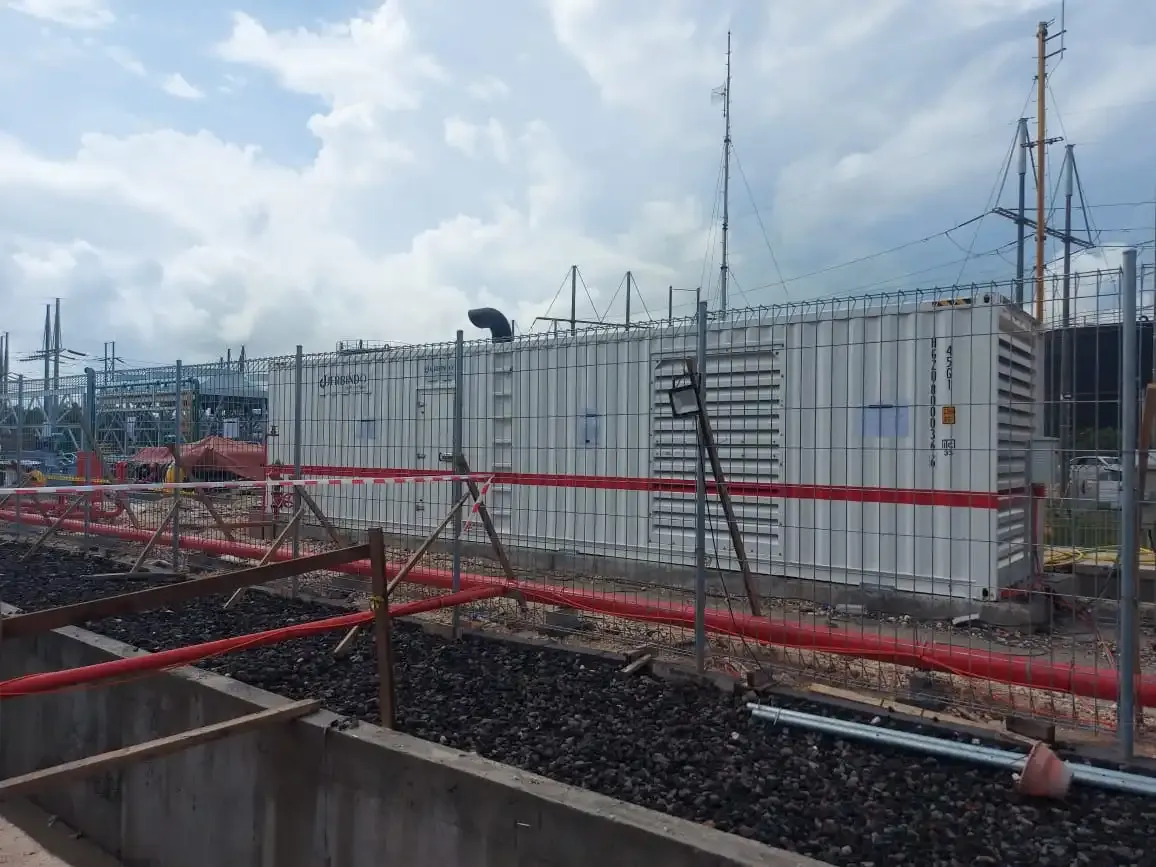
Cummins generator price varies according to the required capacity, operating rating, system configuration, site conditions, and project scope. Therefore, a company cannot evaluate cost accurately from a kVA figure alone.
A generator quotation may cover only the main unit, while another may include an acoustic enclosure, fuel system, control panel, delivery, installation, commissioning, and training. Understanding these differences helps procurement teams compare offers on an equivalent basis.
Why Cummins Generator Price Varies Between Projects
Every facility has a different load profile and operational requirement. A commercial building may need standby power for essential services, while a factory may require a generator that can start large motors and support changing production loads.
Site conditions also influence the final configuration. Limited access, high ambient temperature, noise restrictions, long cable routes, or complex synchronization requirements can add equipment and engineering work.
For this reason, companies should review Cummins generator price in relation to the complete power requirement rather than treating it as a fixed product price.
Capacity Has a Direct Impact on Generator Cost
Generator capacity affects the engine, alternator, radiator, base frame, fuel consumption, dimensions, and supporting equipment. As capacity increases, the project may also require larger cables, breakers, tanks, exhaust components, and lifting equipment.
However, selecting a larger unit without a technical basis does not always provide better value. An oversized generator raises the initial investment and may operate inefficiently at low loads.
Conversely, an undersized unit may struggle with motor starting, step loads, or future demand. A load assessment should therefore come before the commercial comparison.
Evaluate Running Load and Starting Demand
The calculation should cover both normal running demand and temporary starting requirements. Motors, pumps, compressors, chillers, conveyors, and other equipment can draw significantly more current during startup.
Load sequencing may reduce the amount of power required at one moment. As a result, a properly planned control sequence can sometimes avoid unnecessary generator oversizing.
Cummins Generator Price Depends on the Operating Rating
Generator ratings describe how a unit can operate under defined load and duration conditions. Standby, prime, and continuous applications do not represent the same duty.
A standby-rated generator typically supplies emergency power during an interruption to the normal source. Meanwhile, prime-rated equipment supports longer operation with varying loads under the applicable manufacturer limits.
Companies should describe the expected operating hours, average demand, maximum load, and reliability of the utility supply. These details help the supplier recommend the correct rating and prevent an inaccurate price comparison.
Compare the Same Rating in Every Quotation
Two quotations may show a similar kVA value while using different ratings. Consequently, procurement teams should confirm whether each figure represents standby, prime, or another duty classification.
The comparison should also use the same frequency, voltage, phase, ambient conditions, and performance requirements. Without a common basis, a lower quotation may simply represent a different specification.
Review the Complete Generator Configuration
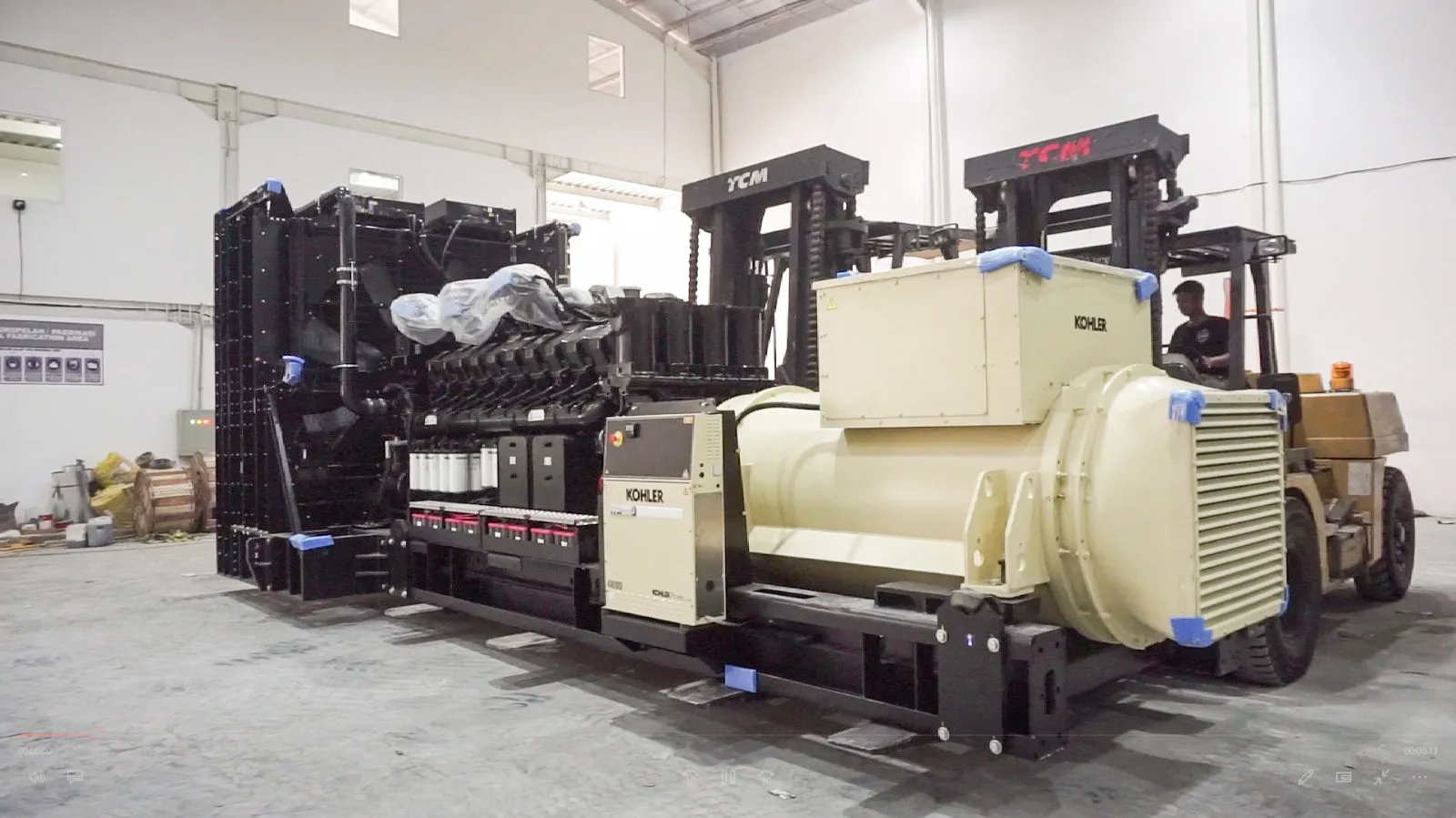
The engine is only one part of the generating set. The complete unit also includes an alternator, controller, radiator, starting system, base frame, protection devices, and other components.
Alternator selection can affect motor-starting capability, voltage response, nonlinear-load performance, and fault-clearing capacity. Similarly, the controller determines monitoring, alarm, shutdown, communication, and automation functions.
When reviewing Cummins generator price, companies should request a clear component specification. This information helps technical teams understand what the quotation actually includes.
Examine Standard and Optional Equipment
Optional equipment can change the total cost significantly. Depending on the project, the scope may include:
- ATS or AMF panels.
- Synchronization and load-sharing controls.
- Day tanks or bulk fuel systems.
- Residential or critical-grade silencers.
- Battery chargers and starting batteries.
- Remote monitoring and communication modules.
- Circuit breakers and protection equipment.
- Weatherproof or acoustic enclosures.
- Space heaters and environmental accessories.
- Extended warranty or service packages.
Not every project needs every option. Therefore, the final configuration should follow the facility’s operating requirements rather than a standard accessory list.
Open and Silent Generators Have Different Cost Structures
An open generator can suit a dedicated generator room with sufficient ventilation, exhaust routing, acoustic treatment, and restricted access. Its unit price may appear lower because the room provides much of the environmental and noise protection.
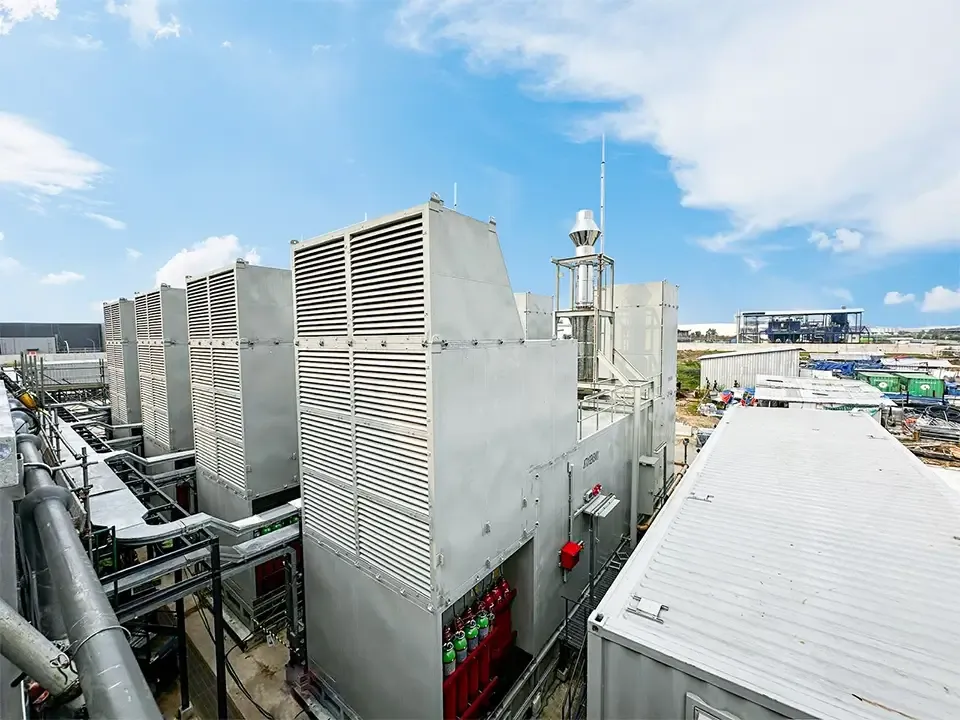
A silent generator includes an enclosure that helps manage weather exposure and sound. However, canopy design, acoustic performance, airflow, access doors, and material specifications can influence the final price.
The company should compare the total installed cost. A lower-priced open unit may still require substantial room modification, ventilation work, silencers, and acoustic treatment.
Electrical Integration Influences the Project Budget
A generator must connect safely to the facility’s electrical distribution system. For a basic standby installation, the project may require an ATS or AMF panel that detects utility failure and transfers priority loads.
Larger facilities may need synchronization, multiple-generator control, load sharing, protection coordination, or integration with a building management system. These requirements add engineering, panels, wiring, programming, and testing.
In addition, cable length, breaker capacity, voltage level, and connection points affect material and labour costs. A complete quotation should explain these items instead of grouping them under an unclear installation allowance.
Site Conditions Affect Cummins Generator Price
Location can influence transportation, lifting, foundation work, ventilation, exhaust, fuel piping, cable routes, weather protection, and maintenance access.
For example, a rooftop installation may require crane access and structural review. A basement generator room may need carefully planned airflow and exhaust routing. Meanwhile, a remote project can involve additional logistics and spare-parts planning.
A site survey allows the supplier to identify these requirements before finalising the quotation. Without a survey, unexpected work may appear after the company has approved the purchase.
Account for Environmental Conditions
High ambient temperature, altitude, dust, humidity, or corrosive air can affect equipment selection and generator performance. The design may require additional cooling capacity, filtration, coatings, or protection.
Consequently, the supplier should confirm the applicable site conditions when selecting the generator. A standard specification based on different environmental assumptions may not deliver the expected output.
Installation and Commissioning Add Measurable Value
Correct installation supports safety, performance, and maintainability. The project team must coordinate the foundation, vibration isolation, airflow, exhaust, fuel system, grounding, cables, panels, and service clearances.
Commissioning then verifies starting, voltage and frequency stability, alarms, shutdown protection, transfer operation, cooling performance, and response to load changes. Where appropriate, the team should test the system with representative facility loads or a load bank.
A quotation that includes professional installation and commissioning may cost more than a unit-only offer. Nevertheless, it gives the company a clearer path from equipment delivery to operational readiness.
Consider Fuel, Maintenance, and Lifecycle Costs
The purchase price represents only one part of the generator’s total cost. Fuel consumption, operating hours, filters, lubricants, coolant, batteries, service labour, and replacement parts influence long-term expenditure.
Generator sizing also affects operating cost. A well-matched unit can support the required load without unnecessary capacity, while an oversized generator may spend extended periods at inefficient load levels.
Furthermore, maintenance access and spare-parts availability can affect downtime. Companies should consider these factors when comparing the long-term value of each proposal.
Compare Cummins Generator Price on an Equivalent Scope
A fair comparison requires every supplier to respond to the same technical requirements. Procurement teams should align capacity, rating, voltage, frequency, enclosure, controls, accessories, delivery, installation, testing, warranty, and service coverage.
The team should also ask each supplier to state exclusions and deviations. This step prevents a low initial quotation from increasing after the purchase order because essential items were not included.
Questions to Ask About Cummins Generator Price
Before approving a quotation, ask the supplier:
- What load data supports the recommended capacity?
- Which operating rating applies to the quoted output?
- What engine, alternator, and controller configuration is included?
- Does the price include an enclosure and fuel system?
- Who handles delivery, lifting, installation, and cabling?
- What testing and documentation will the supplier provide?
- What warranty terms and service coverage apply?
- Which items remain the customer’s responsibility?
Clear answers make technical and commercial differences easier to identify.
Avoid Choosing on Initial Price Alone
The lowest quotation may not represent the lowest project cost. Missing panels, tanks, cables, installation work, testing, or documentation can add substantial expenses later.
A lower price can also create operational risk when the selected capacity or rating does not match the application. Therefore, engineering and procurement teams should evaluate compliance before focusing on the commercial ranking.
Price remains important, but it should support a technically suitable and clearly defined solution.
Request a Project-Specific Generator Quotation
Cummins generator price should reflect the facility’s load profile, required rating, site conditions, control functions, installation scope, and long-term support needs. A project-specific evaluation provides more useful information than a general price range.
PT Conductorjasa Suryapersada supports industrial power projects through load assessment, generator configuration, panel integration, installation, commissioning, synchronization, testing, maintenance, and spare-parts support.
Companies can request an evaluation of Cummins generator price based on their actual project requirements. A clear technical scope helps the company control costs while securing a power system that can support reliable operations.
Frequently Asked Questions
What factors affect the price of a Cummins generator?
The main factors include generator capacity, operating rating, engine and alternator configuration, control system, enclosure type, accessories, installation requirements, testing, warranty, and after-sales support.
Why can two Cummins generators with the same kVA have different prices?
Generators with the same nominal capacity may use different ratings, alternators, controllers, enclosures, fuel systems, accessories, and project scopes. These differences can change both purchase price and performance.
Does a generator quotation usually include installation?
Not always. Companies should confirm whether the quotation includes delivery, lifting, foundation work, cabling, fuel systems, exhaust, ATS or AMF panels, installation, commissioning, training, and testing.
Should companies choose a generator based on the lowest price?
Companies should compare technical compliance, complete project scope, operating costs, maintenance needs, parts availability, warranty, and downtime risk instead of relying only on the lowest initial price.