Quick Answer
Explore how a Baudouin generator for industrial facilities supports demanding loads through proper sizing, integration, testing, and service.
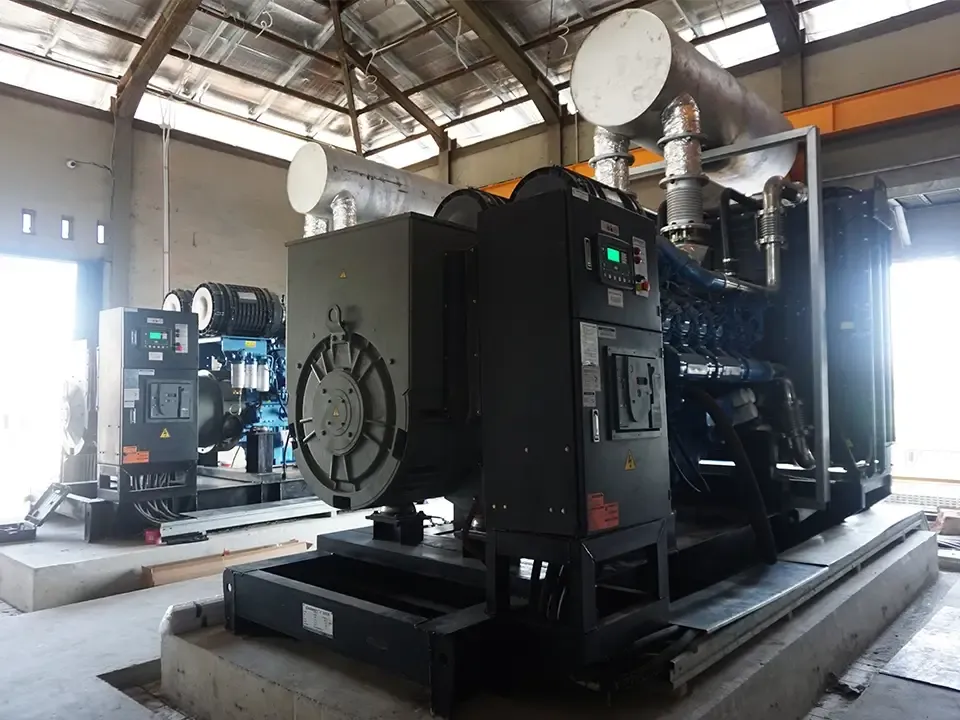
A Baudouin generator for industrial facilities can provide dependable power for factories, infrastructure projects, commercial buildings, utilities, and other sites with substantial electrical demand. However, reliable operation depends on more than selecting an engine brand or choosing a generator with a large capacity.
Industrial loads can change quickly and may include large motors, pumps, compressors, process equipment, control systems, and nonlinear electronic loads. Therefore, companies need to evaluate the complete generator system, including its rating, alternator, controller, cooling arrangement, fuel system, transfer equipment, installation conditions, and service support.
Why a Baudouin Generator for Industrial Facilities Requires Careful Planning
Industrial facilities rarely operate with a completely steady electrical load. For example, a production line may start several motors in sequence, while pumps or compressors may create a sudden increase in demand. At the same time, control systems and sensitive equipment require stable voltage and frequency.
Consequently, generator selection must account for both continuous operating demand and short-duration load changes. A unit that supports the normal running load may still experience excessive voltage or frequency deviation when a large motor starts.
Companies considering Baudouin generator solutions should begin with a detailed load assessment. This process helps the engineering team identify the required capacity, operating rating, control strategy, and supporting systems before finalizing the equipment.
Understand the Facility’s Load Profile
The connected load provides a useful starting point, but it does not show how the facility operates. Instead, engineers need to determine which equipment runs simultaneously, which loads have priority, and how demand changes during production.
First, prepare a load list that records equipment type, running power, starting method, power factor, starting current, and operating schedule. Then, separate essential loads from equipment that can wait until generator output stabilizes.
Identify Large Motor Loads
Motors can draw substantially more current during starting than during normal operation. Therefore, pumps, compressors, chillers, conveyors, crushers, and other motor-driven equipment require particular attention.
The starting method also affects generator response. Direct-on-line starting can create a larger step load, while a soft starter or variable-frequency drive may reduce starting demand. However, electronic motor controls can introduce harmonics, so the system still requires proper technical evaluation.
Review Nonlinear and Sensitive Loads
Variable-frequency drives, uninterruptible power supplies, servers, rectifiers, and other electronic equipment can affect current waveform and alternator performance. Meanwhile, automation systems and process controls may require tighter voltage and frequency stability.
As a result, the design team should evaluate load characteristics instead of simply adding nameplate capacities. The alternator, excitation system, and generator controller must work together to maintain acceptable power quality.
Match the Generator Rating to the Operating Requirement
A generator rating defines how the equipment can operate under specific load and duration conditions. Common rating categories include emergency standby power, prime power, and continuous power. However, the applicable definitions and limits should always follow the manufacturer’s technical documentation.
A standby generator typically supports the facility when the normal electrical supply fails. Conversely, a prime-rated system may operate for longer periods with variable demand. Selecting the wrong rating can limit operating flexibility and affect maintenance planning.
Therefore, companies should explain the expected operating hours, average load, maximum load, and availability of the normal power source. These details allow the supplier to recommend a suitable configuration rather than relying on capacity alone.
Selecting a Baudouin Generator for Industrial Facilities With Demanding Loads
Selecting a Baudouin generator for industrial facilities requires a realistic operating scenario. The calculation should include the normal running load, the largest expected load step, motor starting requirements, and an appropriate engineering margin.
However, adding an excessive margin does not automatically improve reliability. A significantly oversized generator may spend long periods at low load, which can reduce operating efficiency and create additional maintenance concerns.
Sequence Loads to Control Demand
A load-sequencing strategy allows critical equipment to start first. After the generator stabilizes, the control system can connect additional loads in planned stages.
For example, safety systems, control equipment, and essential pumps may receive power before comfort loads or noncritical production equipment. This approach can reduce the required instantaneous capacity while protecting operational priorities.
Consider Future Expansion Realistically
Future capacity should reflect approved or reasonably predictable facility expansion. If a new production line has already entered the project plan, the generator study should include its expected demand.
However, uncertain expansion does not always justify purchasing a much larger unit immediately. In some cases, a modular arrangement or parallel generator system may provide greater flexibility. Therefore, the engineering team should compare expansion scenarios before selecting the final architecture.
Evaluate the Complete Generator Configuration
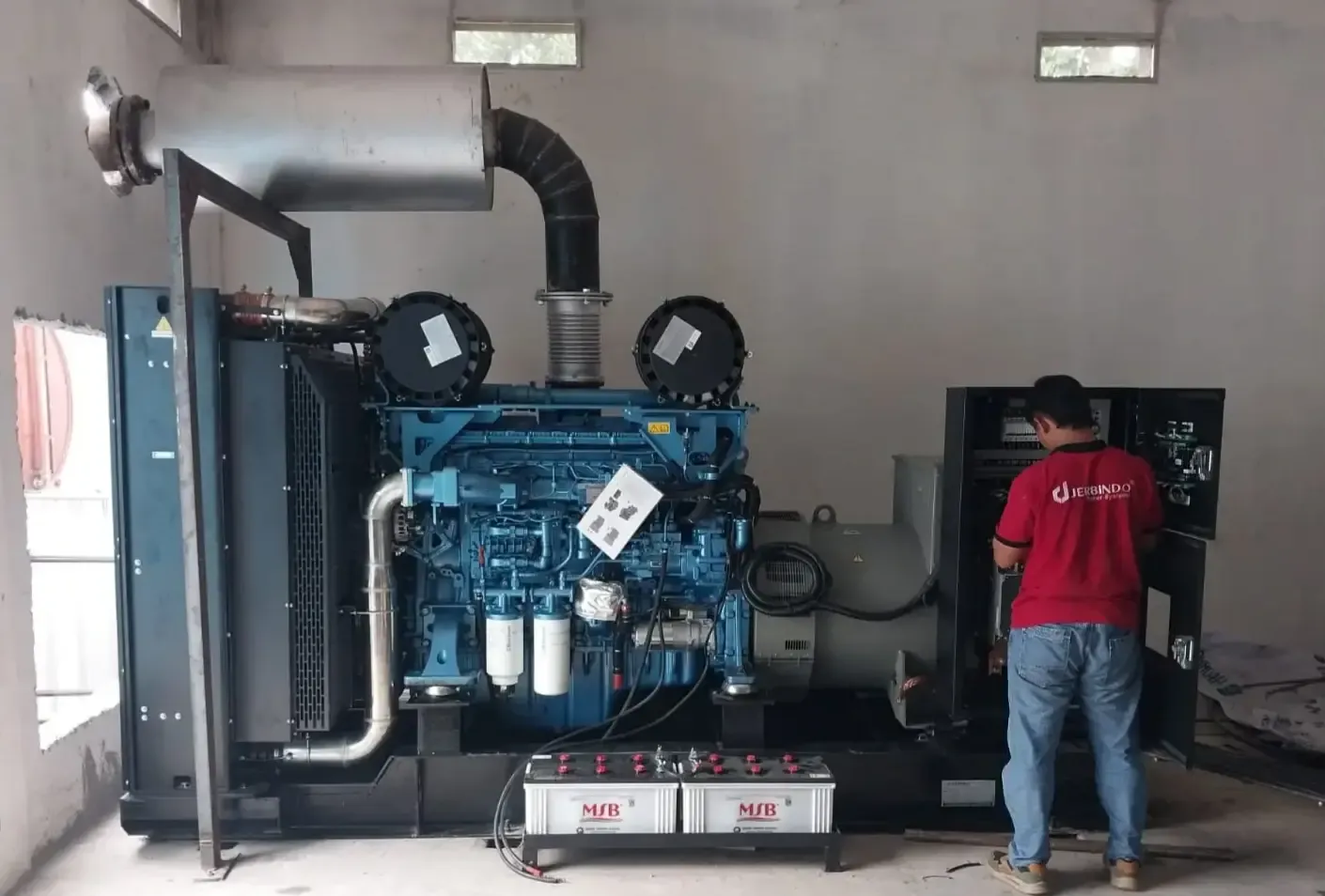
The engine forms an essential part of the generating set, but the complete system also includes an alternator, controller, radiator, starting system, base frame, fuel arrangement, and protection equipment. Each component influences performance and reliability.
Therefore, the project team should review the complete technical specification. A suitable Baudouin generator configuration should match the facility’s voltage, frequency, operating rating, load characteristics, environmental conditions, and control requirements.
Review the Alternator and Control System
The alternator must support the expected load steps, power factor, starting demand, and voltage performance. In addition, the controller should provide clear monitoring, alarms, shutdown protection, and communication functions appropriate for the facility.
If the project requires synchronization, the control system must coordinate voltage, frequency, phase, and load sharing. Meanwhile, integration with a building management system or supervisory platform may require specific communication protocols.
Choose Between Open and Enclosed Configurations
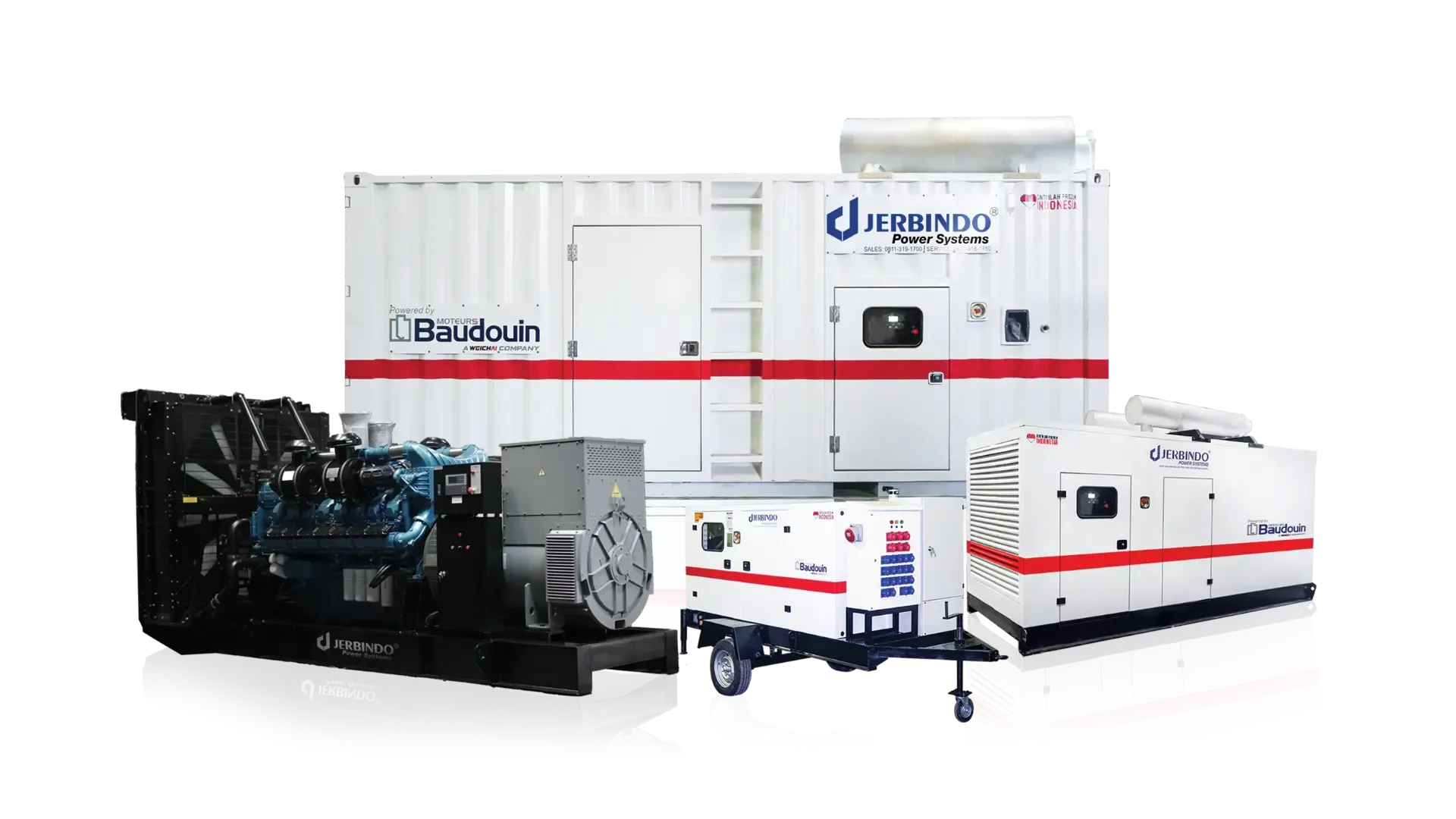
An open generator can suit a dedicated generator room with adequate ventilation, acoustic treatment, and controlled access. In contrast, an enclosed or silent configuration can support outdoor installations or sites with specific noise-management requirements.
Nevertheless, an enclosure does not remove the need for site planning. Engineers must still assess airflow, heat rejection, exhaust routing, maintenance clearance, weather exposure, and access for equipment replacement.
Account for Site and Environmental Conditions
Generator output and cooling performance can change with ambient temperature, altitude, ventilation, and surrounding conditions. Therefore, suppliers need accurate site information before confirming the equipment specification.
A proper site survey should examine:
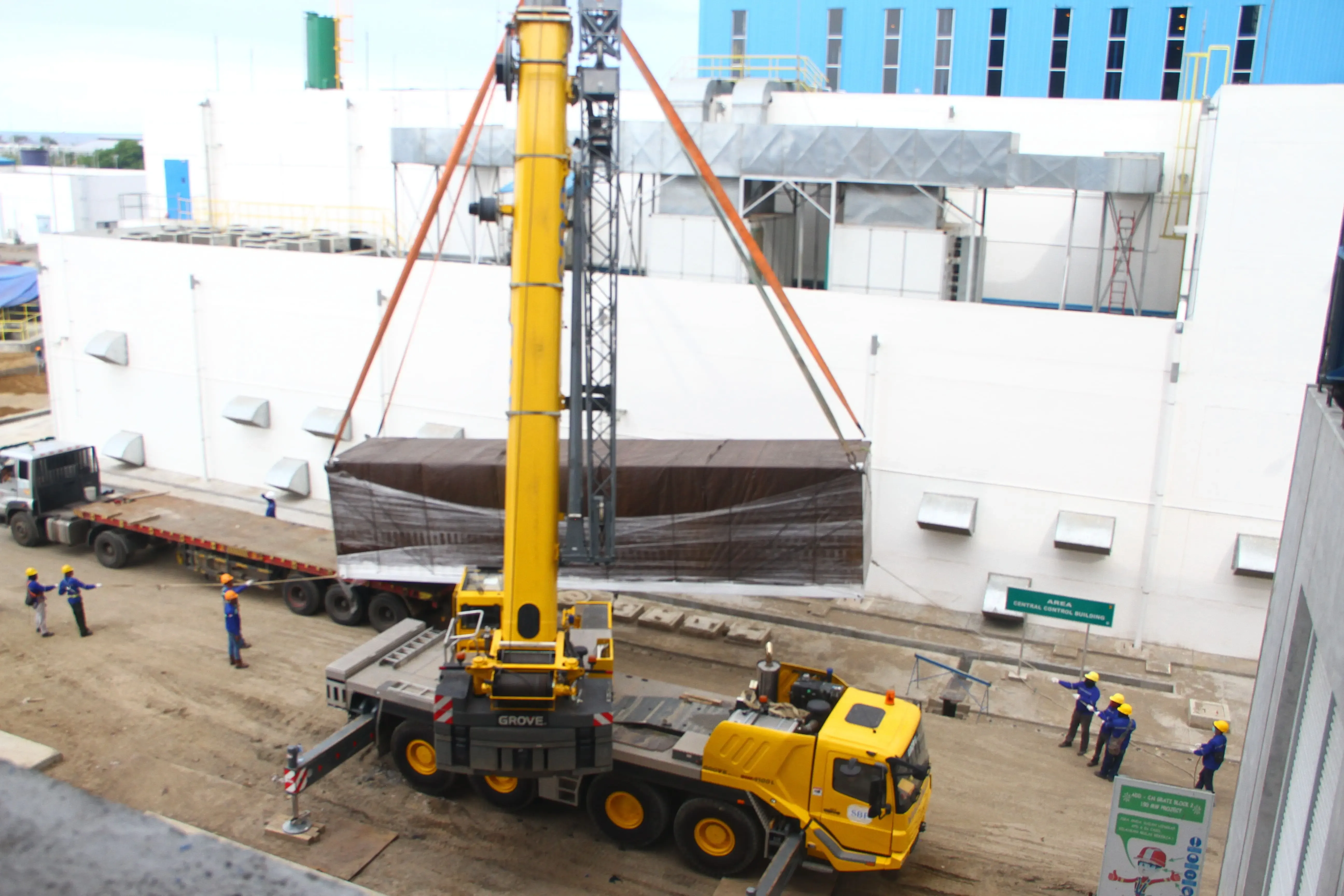
- Generator delivery and lifting access.
- Foundation and vibration-control requirements.
- Cooling-air entry and hot-air discharge.
- Exhaust routing and insulation.
- Fuel storage and supply arrangements.
- Cable routes and electrical-panel locations.
- Drainage and weather protection.
- Noise and exhaust considerations.
- Maintenance and component-removal clearance.
Dust, humidity, corrosive environments, and restricted airflow may require additional protection. Consequently, the final design should reflect the actual installation site rather than standard assumptions.
Plan the Fuel System and Operating Autonomy
Fuel capacity should support the required operating duration while complying with site safety and storage requirements. First, estimate fuel demand based on the expected load profile. Then, determine the appropriate day tank, bulk tank, transfer pumps, filtration, piping, and monitoring system.
In addition, the design should provide safe access for refueling and inspection. Fuel quality also matters because contamination can affect filters, injectors, and overall engine performance.
For extended operation, companies should establish fuel-delivery arrangements before an emergency occurs. This planning helps prevent a technically capable generator from stopping because the site cannot maintain its fuel supply.
Integrate the Generator With the Electrical System
The generator must coordinate with the facility’s switchgear, protection system, and operating procedures. For standby applications, an automatic transfer system can detect a utility failure, start the generator, and transfer priority loads after the output stabilizes.
Larger facilities may require multiple generators or synchronization with another power source. In that case, the design must address load sharing, protection coordination, operating modes, and failure response.
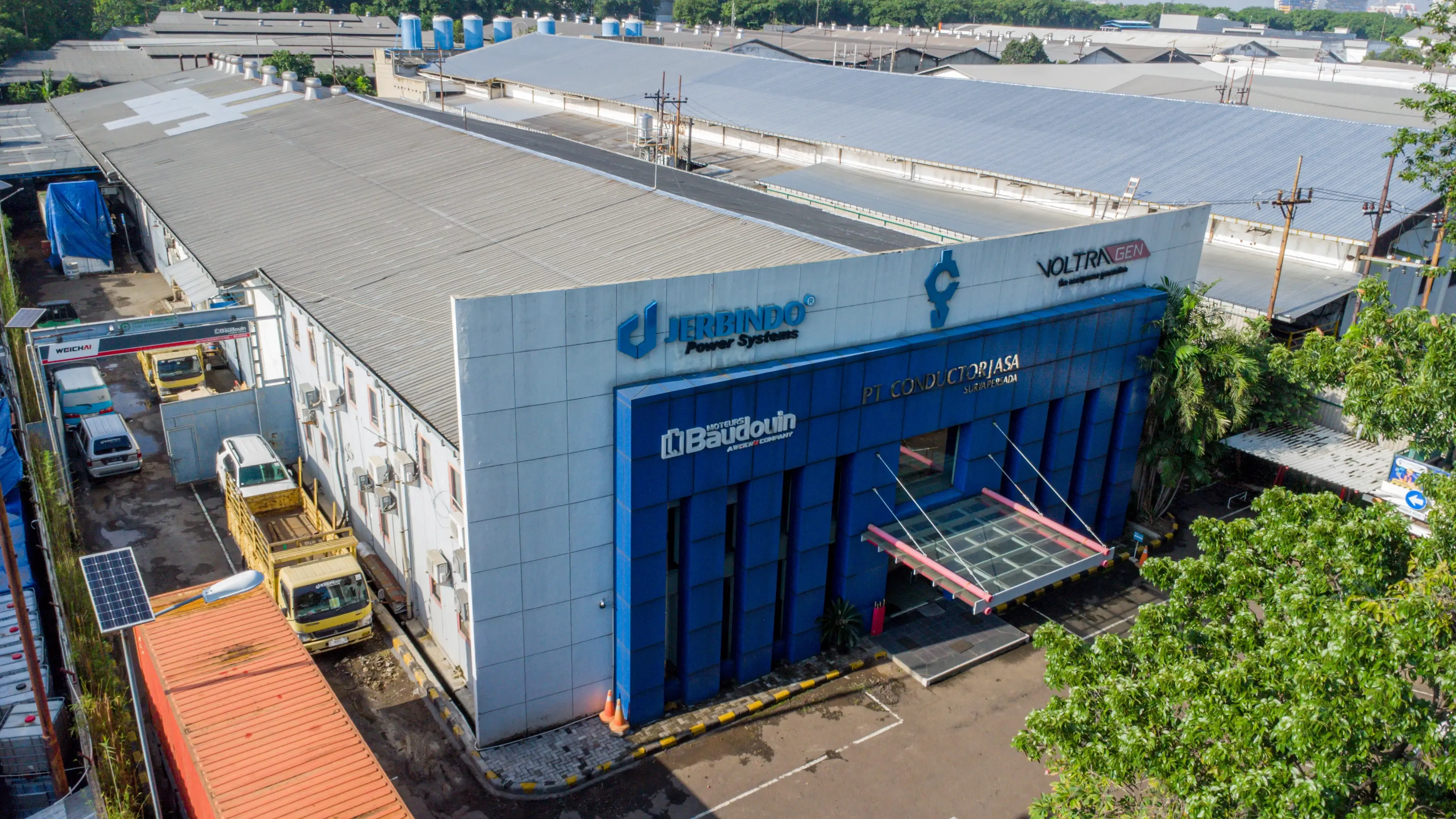
PT Conductorjasa Suryapersada provides industrial generator solutions and technical services, including system planning, installation, ATS/AMF panels, commissioning, synchronization, testing, maintenance, and repair support.
Confirm Protection Coordination
Protection settings should isolate faults without unnecessarily disconnecting the entire facility. Therefore, the project team should coordinate generator protection with downstream breakers and electrical distribution equipment.
Moreover, the design must define safe operating sequences for normal transfer, emergency operation, testing, shutdown, and return to the utility supply.
Verify Performance Through Testing and Commissioning
Testing confirms whether the generator and supporting systems meet the approved requirements. Consequently, the project scope should define acceptance criteria before equipment delivery.
Initial checks should cover fluid levels, batteries, wiring, grounding, alarms, shutdown protection, fuel supply, cooling, and exhaust installation. Afterward, operational testing should verify starting, voltage buildup, frequency stability, transfer sequences, and response to load changes.
Test With Representative Loads
A no-load test confirms basic operation, but it cannot demonstrate full system performance. Therefore, commissioning should include representative facility loads or a suitable load bank where practical.
The test should examine voltage and frequency recovery after load steps, cooling performance, alarms, protection functions, and transfer behavior. For parallel systems, it should also verify synchronization and load sharing.
In addition, the project team should document the test method and results. These records provide a reference for future inspections and performance evaluations.
Prepare Maintenance and Long-Term Support
Even a properly selected generator requires planned maintenance. Routine activities may include fluid checks, battery inspection, cooling-system review, filter replacement, fuel-system inspection, operational testing, and periodic loaded operation.
However, maintenance frequency should follow the engine manufacturer’s recommendations and the site’s operating conditions. Dusty, humid, hot, or frequently operated installations may require closer attention.
Companies should also confirm spare-parts access, technician availability, response procedures, warranty coverage, and recommended consumables. As a result, the facility can address maintenance requirements before they lead to extended downtime.
Avoid Common Selection Mistakes
One common mistake is choosing capacity from the total connected load without considering simultaneous operation. Another is ignoring motor starting current or assuming that every load can connect at once.
Additional mistakes include:
- Selecting a rating that does not match the operating pattern.
- Adding capacity without a documented engineering basis.
- Ignoring ambient temperature or altitude.
- Underestimating ventilation and heat rejection.
- Treating the engine as the only important component.
- Omitting installation, testing, or training from the project scope.
- Failing to plan fuel autonomy and replenishment.
- Evaluating purchase price without considering lifecycle support.
These issues can increase costs or reduce system performance. Therefore, companies should verify the technical basis of the proposal before approving the purchase.
Build a Reliable Power Solution Around the Application
Ultimately, a Baudouin generator for industrial facilities should form part of a carefully engineered power system. The engine, alternator, controls, fuel system, transfer equipment, installation, and maintenance plan must support the same operational objective.
Begin with accurate load data and realistic operating scenarios. Next, verify the generator rating, site conditions, system integration, testing scope, and long-term support. This process helps the company select equipment that can respond to demanding loads without relying on unnecessary capacity or incomplete assumptions.
For project-specific requirements, companies can discuss the appropriate capacity and configuration for a Baudouin generator for industrial facilities with a technical team before finalizing procurement.
Frequently Asked Questions
Is a Baudouin generator suitable for industrial facilities?
A Baudouin-powered generator can support industrial facilities when its capacity, rating, alternator, cooling system, controls, and supporting equipment match the facility’s load profile and operating conditions.
How should a Baudouin generator be sized for demanding loads?
Sizing should consider running load, motor starting current, load steps, power factor, nonlinear equipment, operating duration, environmental conditions, and future requirements instead of relying only on total connected load.
What is the difference between standby and prime generator ratings?
A standby rating supports emergency operation during a normal power-source failure, while a prime rating supports longer or variable operating periods within the manufacturer’s stated limits.
What should be tested before an industrial generator enters operation?
Testing should verify starting performance, voltage and frequency stability, load acceptance, protection functions, transfer sequences, alarms, cooling performance, and system operation under realistic load conditions.