Quick Answer
Evaluate a generator distributor based on technical expertise, project scope, testing, service, and long-term support.
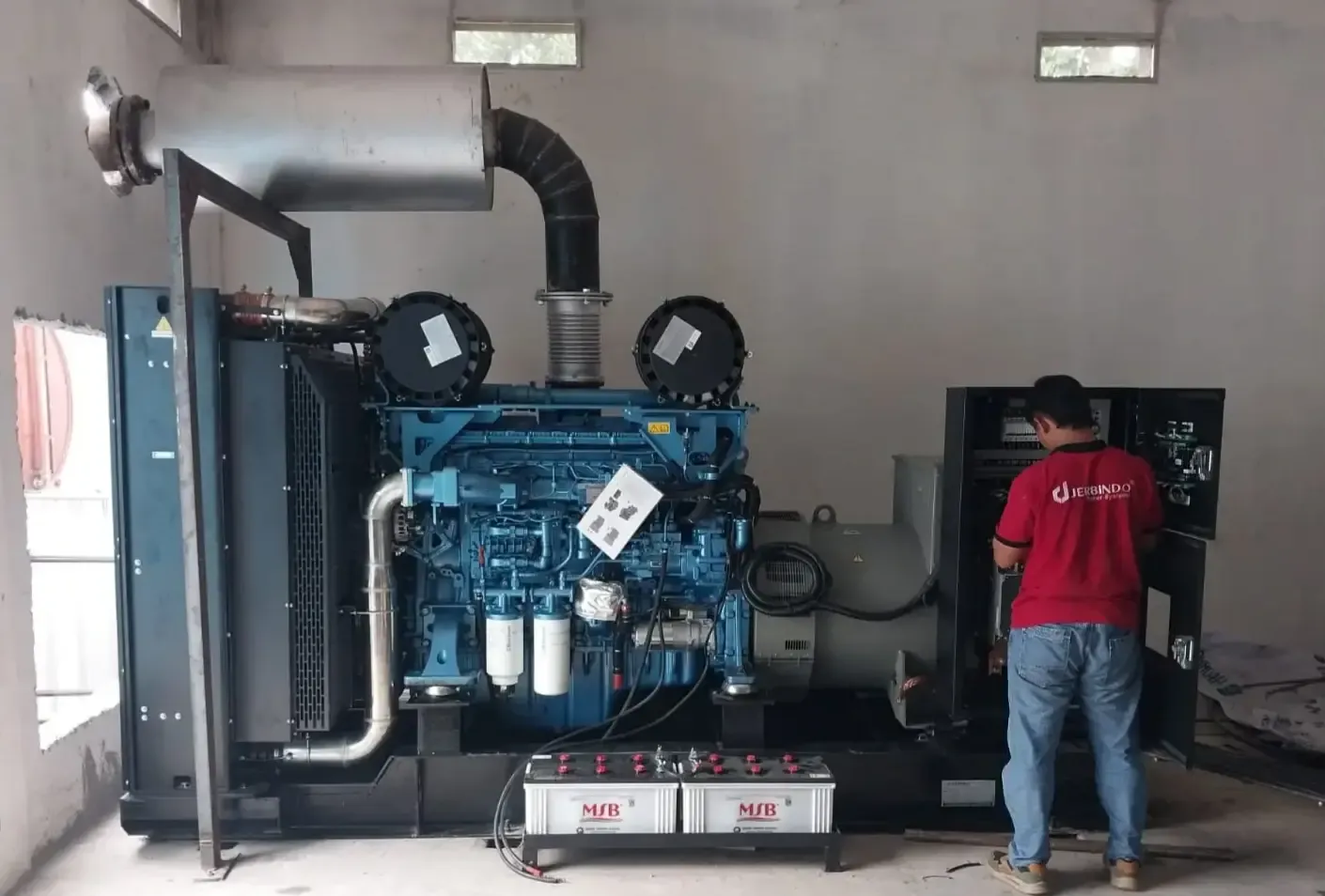
Understanding how to evaluate a generator distributor helps companies protect more than their initial equipment investment. The right distributor should support the entire power system, from technical planning and equipment selection to installation, commissioning, maintenance, and troubleshooting.
Price remains an important consideration. However, purchasing decisions based only on the lowest quotation may expose a company to unclear specifications, incomplete project scope, limited technical assistance, or difficulty obtaining spare parts. Therefore, procurement teams need to examine both the proposed generator and the organization responsible for supporting it.
Why Distributor Selection Affects Long-Term Reliability
An industrial generator may remain in service for many years. During that period, the company will need routine inspections, replacement components, operational testing, technical advice, and repair support. As a result, the distributor’s capabilities can influence generator availability throughout its operating life.
A reliable distributor should understand how the generator interacts with the facility’s electrical system. In addition, its team should consider load characteristics, motor starting requirements, transfer systems, control logic, ventilation, fuel supply, exhaust routing, and site access.
Companies can begin their assessment by reviewing the capabilities of a suitable generator distributor. Nevertheless, the final decision should rely on measurable technical, commercial, and service criteria.
Start With Clear Operational Requirements
Before contacting distributors, define what the generator must support. First, list the critical equipment that must continue operating during a power interruption. Then, record each load’s operating power, starting current, power factor, duty cycle, and operating priority.
This information allows distributors to recommend a system based on actual requirements. Otherwise, suppliers may make different assumptions and submit proposals that appear similar but cover different operating conditions.
Define the Required Project Scope
The required scope may include more than the generator set. For example, a complete project could involve an automatic transfer switch, synchronization panel, fuel tank, exhaust system, acoustic treatment, cables, installation, testing, and operator training.
Therefore, companies should state which items the distributor must supply. A clear scope reduces commercial ambiguity and makes every quotation easier to compare.
Separate Current Demand From Future Expansion
Planned expansion may influence generator capacity. However, companies should distinguish approved expansion from uncertain projections. An oversized generator can operate inefficiently at low loads, while an undersized system may fail to support future operations.
Instead of adding an arbitrary margin, ask each distributor to explain the basis for its capacity recommendation. This approach helps the project team balance present requirements, realistic growth, and operating efficiency.
How to Evaluate a Generator Distributor Beyond the Quotation
A quotation provides useful commercial information, but it does not show the distributor’s full capability. Therefore, companies should review how the supplier develops its recommendation, documents technical assumptions, and responds to clarification.
A capable distributor should ask detailed questions before proposing equipment. For example, its team may request a load list, single-line diagram, motor data, site layout, utility information, operating schedule, and expansion plan. These questions indicate that the supplier wants to understand the application instead of simply offering available stock.
Verify Technical Competence
Ask who will perform the load assessment, system design, installation supervision, testing, and commissioning. In addition, review whether the technical team can explain generator ratings, load acceptance, voltage regulation, control functions, protection settings, and transfer sequences clearly.
Technical explanations should connect directly to the facility’s needs. If the team cannot explain why it selected a particular capacity or configuration, the company may struggle to verify whether the proposed system is suitable.
Use Technical Questions to Evaluate a Generator Distributor
Knowing how to evaluate a generator distributor also means examining the quality of its answers. Ask the distributor to explain:
- How it calculated the proposed generator capacity.
- Which load conditions create the highest starting demand.
- What generator rating matches the expected operating pattern.
- How the transfer or synchronization system will operate.
- Which site conditions may affect generator performance.
- What testing the team will conduct before handover.
- How quickly technical support and spare parts can reach the site.
Clear, specific answers provide stronger evidence than broad claims about experience or service quality.
Compare Equivalent Technical and Commercial Scope
Two proposals may list generators with similar capacity while offering very different project scopes. One distributor may include batteries, a control panel, a fuel system, delivery, installation, testing, and training. Meanwhile, another may quote only the main generator set.
Consequently, procurement teams should normalize every proposal before comparing prices. Create a comparison table that covers generator rating, engine and alternator specifications, control features, accessories, delivery, installation, commissioning, warranty, documentation, and service support.
In addition, require distributors to identify exclusions and technical deviations. This step prevents additional costs from appearing after the purchase order has been issued.
Assess Project Delivery Capability
A distributor must coordinate equipment, engineering, logistics, installation, and testing. Therefore, relevant project experience matters, especially for factories, commercial facilities, hospitals, data infrastructure, and other operations that cannot tolerate extended downtime.
Ask for examples of projects with comparable capacity, complexity, or operating conditions. However, do not evaluate experience only by the number of completed installations. Review how the distributor handled site limitations, schedule pressure, system integration, and technical changes.
A practical generator distributor should also provide a realistic delivery plan. The schedule should identify engineering approval, equipment preparation, transportation, installation, testing, training, and handover.
Review Testing and Commissioning Procedures
Testing confirms whether the installed system performs according to the approved requirements. Therefore, companies should agree on acceptance criteria before issuing the purchase order.
The distributor should explain how it will verify starting performance, voltage and frequency stability, alarm functions, safety protection, transfer operation, and response under load. If the system uses parallel generators, the testing plan should also address synchronization, load sharing, and failure scenarios.
Request Complete Handover Documentation
A proper handover should include operating manuals, technical drawings, test results, warranty information, maintenance schedules, and a list of recommended consumables or spare parts.
Moreover, operator training should cover routine inspections, normal operation, alarm response, emergency procedures, and basic troubleshooting. Complete documentation helps the facility team operate the generator consistently after commissioning.
Examine After-Sales Service Capacity
Long-term support depends on more than a service promise in the proposal. Companies should understand where the service team operates, how customers request assistance, and what response process applies during an emergency.
In addition, ask whether the distributor maintains commonly required parts and consumables. Access to filters, belts, sensors, batteries, controllers, and other components can shorten downtime when maintenance or repair becomes necessary.
PT Conductorjasa Suryapersada supports corporate power requirements through generator solutions and technical services. This support helps companies connect equipment procurement with installation, commissioning, maintenance, and operational assistance.
Review Service Commitments Carefully
Service coverage should define what the distributor will provide after handover. For example, the agreement may include scheduled inspections, preventive maintenance, emergency support, load testing, repairs, and replacement parts.
However, companies should also review exclusions, response targets, working hours, travel coverage, and warranty procedures. Clear commitments make it easier to measure service performance later.
Consider Total Cost of Ownership
The lowest purchase price does not always produce the lowest long-term cost. Therefore, evaluate fuel consumption, service intervals, consumable requirements, component availability, expected operating hours, and potential downtime.
A distributor should help the company understand these factors before purchase. Moreover, it should explain which maintenance activities the facility team can perform and which tasks require trained technicians.
This lifecycle perspective allows decision-makers to compare operational value rather than focusing solely on initial capital expenditure.
Watch for Common Warning Signs
Several warning signs may indicate weak distributor support. For instance, the supplier may recommend capacity without reviewing load data or submit a proposal with unclear inclusions. It may also avoid questions about commissioning, warranty, parts availability, or service response.
Other warning signs include:
- Technical recommendations that lack calculation or explanation.
- Significant specification changes without written justification.
- Incomplete information about controls and protection.
- Unclear responsibilities for installation and testing.
- Warranty terms that do not define the claim process.
- Service commitments without measurable coverage.
- Pressure to decide before technical clarification is complete.
One warning sign may not automatically disqualify a distributor. Nevertheless, several unresolved concerns can increase project and operational risk.
Use a Structured Evaluation Scorecard
A scorecard helps procurement, engineering, operations, and management review each proposal using the same criteria. It also prevents the lowest price from dominating the decision before the team evaluates technical suitability and service capability.
The scorecard can cover:
- Compliance with technical requirements.
- Quality and clarity of the proposed solution.
- Relevant project experience.
- Installation and commissioning capability.
- Delivery schedule.
- Warranty coverage.
- Spare-parts availability.
- Service team capacity and response.
- Total cost of ownership.
- Commercial terms.
Document the Final Decision
Record the reasons behind the selected distributor, including accepted deviations and agreed clarifications. Furthermore, attach the final specifications, drawings, scope, testing requirements, warranty, and service commitments to the purchase documentation.
This record helps the company manage the project consistently and reduces disputes during delivery or commissioning.
Choose a Distributor That Supports the Complete Lifecycle
Ultimately, how to evaluate a generator distributor requires a balance of technical competence, project execution, commercial transparency, and service readiness. A suitable distributor should not only deliver equipment but also help the company maintain dependable power throughout the generator’s service life.
Before making the final decision, confirm the load assumptions, project boundaries, acceptance tests, documentation, training, warranty, spare-parts access, and maintenance support. A structured evaluation will help the company select a generator distributor that can support both immediate project requirements and long-term operational reliability.
Frequently Asked Questions
What should a company look for in a generator distributor?
A company should review the distributor’s technical expertise, product suitability, project experience, proposal clarity, testing procedures, spare-parts availability, and after-sales support.
Why is after-sales support important when selecting a generator distributor?
After-sales support helps companies maintain generator readiness through scheduled maintenance, technical assistance, spare-parts access, troubleshooting, and timely repairs.
How can companies compare generator distributor proposals fairly?
Companies should compare proposals using the same technical specifications and project scope, including generator rating, control systems, accessories, installation, testing, training, warranty, and service coverage.
Should generator price be the main consideration during distributor evaluation?
No. Companies should consider total cost of ownership, operational risk, service responsiveness, parts availability, fuel efficiency, maintenance requirements, and the distributor’s ability to support the equipment throughout its service life.