Quick Answer
A generator site assessment starts with clear load data, electrical drawings, site plans, and operational requirements.
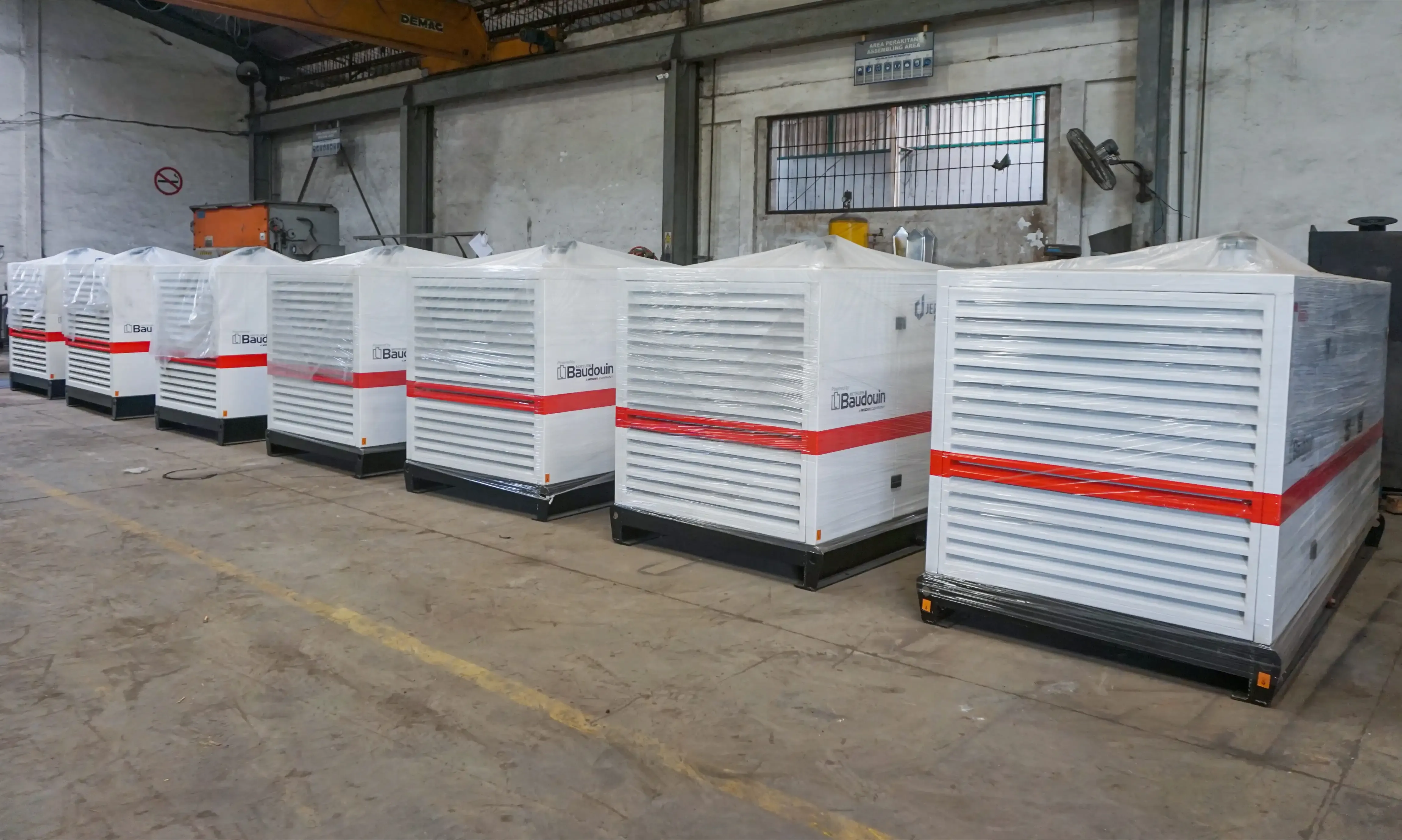
A generator site assessment should begin before the engineering team arrives at the facility. Reviewing the available technical documents helps the team understand the electrical system, identify missing information, and focus the site visit on conditions that require physical verification.
The documents do not need to be perfect or complete at the beginning. However, they should provide enough context to distinguish confirmed data from assumptions. This preparation makes the assessment more efficient and reduces the risk of selecting a generator based on incomplete load or site information.
Why Documents Matter before a Generator Site Assessment
A generator does not operate as an isolated machine. It connects to switchgear, transfer equipment, cables, fuel systems, ventilation, exhaust, controls, and the facility’s critical loads.
A site visit can confirm many physical conditions, but it may not reveal every operating scenario. For example, the team may not see the highest recorded demand, a motor starting sequence, or an infrequent production process during a short survey.
Technical documents provide historical and design context. Meanwhile, the physical assessment confirms whether that information still matches the installed system. Together, both sources create a more reliable basis for generator planning.
Load Schedule and Electrical Equipment List
The load schedule is one of the most important documents for an assessment. It identifies the equipment that may receive generator power and records its electrical characteristics.
Useful information includes:
- equipment name and function;
- rated power in kW or kVA;
- voltage and number of phases;
- power factor and efficiency where relevant;
- motor starting method;
- operating priority;
- and whether equipment may run simultaneously.
The list should separate critical loads from equipment that can remain off during an outage. This distinction prevents the design from automatically including every connected load.
Identify Motor and Nonlinear Loads
Motors can draw significant current during starting. Therefore, the assessment team needs information about pumps, compressors, fans, conveyors, lifts, and other motor-driven equipment.
The starting method also matters. Direct-on-line starters, star-delta arrangements, soft starters, and variable frequency drives affect the generator differently.
In addition, UPS systems, variable speed drives, rectifiers, and other electronic equipment can introduce nonlinear loading. Their effect on power quality and alternator selection may require further review.
If the load schedule does not contain this information, the team can collect nameplate data and operating details during the site visit.
Single-Line Diagram
A single-line diagram shows how utility power, generators, transformers, switchboards, transfer switches, and major loads connect to one another. It helps the engineering team identify possible generator connection points and understand the existing protection arrangement.
The drawing should ideally show:
- voltage levels;
- transformer and generator ratings;
- bus sections;
- breaker capacities;
- cable information;
- earthing arrangements;
- and existing transfer or synchronization equipment.
However, the drawing must reflect actual site conditions. Facilities often modify panels or add loads without updating their diagrams. Consequently, the team should treat an old single-line diagram as a reference that requires verification rather than a complete record.
Historical Load and Utility Data
A connected-load total does not always represent actual demand. Some equipment may operate intermittently, while other loads may never run at the same time.
Historical data helps the team understand how the facility uses power. Useful records can include utility bills, demand logs, power meter exports, building management system trends, and previous power quality measurements.
These records may reveal daily peaks, seasonal changes, load fluctuations, and future capacity concerns. They can also help distinguish continuous demand from short operating peaks.
Nevertheless, historical demand alone cannot determine generator capacity. The assessment still needs to consider critical-load priorities, motor starting, staged loading, and the operating condition expected during an outage.
Existing Generator and Transfer-System Records
If the facility already has a generator, the assessment team should review its datasheet, rating, operating hours, maintenance history, and previous test results.
Alarm records and service reports can provide additional insight. Repeated high-temperature alarms, starting failures, unstable frequency, or fuel-system issues may indicate problems beyond the generator’s age or capacity.
The team should also review the automatic transfer switch, synchronization panel, and control narrative. These documents help explain how the system detects a utility failure, starts the generator, transfers the load, and returns to normal power.
Where multiple generators operate in parallel, the assessment requires further information about load sharing, synchronization, load shedding, and the response to a unit failure.
Site Plans and Equipment Layouts
A site plan shows the relationship between the proposed generator location and the surrounding facility. It helps the team evaluate equipment access, cable routes, fuel delivery, exhaust discharge, and proximity to occupied areas.
A detailed layout can show:
- available room dimensions;
- doors and equipment access routes;
- nearby electrical rooms;
- cable trenches or risers;
- fuel storage locations;
- air intake and discharge areas;
- and existing utilities that may restrict installation.
The drawings should include dimensions where possible. A photograph can show general conditions, but it cannot reliably confirm access clearance or equipment fit.
Consider Future Maintenance Access
A generator may fit inside a room while leaving insufficient space for maintenance. Technicians need access to filters, batteries, control panels, radiators, and other service points.
The assessment should also consider how the facility would remove a major component in the future. Narrow doors, low ceilings, restricted corridors, and occupied areas can complicate repair work.
Therefore, the layout should support installation, normal inspection, and long-term maintenance rather than only the initial delivery.
Architectural and Structural Information
Architectural drawings help the team understand walls, doors, ventilation openings, fire-rated boundaries, nearby rooms, and possible noise-sensitive areas.
Structural information becomes important when the generator will sit on an elevated floor, rooftop, platform, or newly constructed foundation. The design must account for equipment weight, fuel load, dynamic forces, and vibration control.
The site assessment may identify the proposed location, but a qualified structural review may still be necessary before final installation. The generator supplier’s dimensional and loading data can support that evaluation.
Ventilation and Exhaust Documents
The generator needs combustion air and sufficient cooling airflow. Therefore, the team should review available mechanical drawings, room ventilation details, louver sizes, duct routes, and fan capacities.
The proposed design needs to prevent hot discharge air from returning to the intake. It should also consider other heat sources inside the room and the ambient conditions around the facility.
For the exhaust system, useful documents include the proposed pipe route, silencer arrangement, insulation requirements, support details, and discharge location.
A long route with multiple bends can increase exhaust back pressure. Consequently, the final design should follow the engine manufacturer’s allowable limits rather than relying only on available space.
Fuel-System Information
Fuel records help the team evaluate the expected operating duration and the infrastructure required to support it. The facility should provide information about existing tanks, available storage space, fuel-transfer equipment, and delivery access.
The assessment also needs to consider:
- target backup duration;
- expected generator fuel consumption;
- tank ventilation;
- spill containment;
- filtration;
- fuel return arrangements;
- and replenishment during an extended outage.
Where an existing fuel system will remain in use, drawings and maintenance records can help identify its configuration and condition. However, the team should verify tank, pipe, valve, and pump details on site.
Control and Communication Requirements
Modern generator systems often exchange signals with automatic transfer switches, building management systems, remote monitoring platforms, fire systems, or supervisory controllers.
Before the assessment, the facility should provide any available control diagrams, points lists, communication requirements, and operating narratives.
These documents clarify which alarms and statuses the facility needs to monitor. They also help define remote start signals, operating modes, permissive conditions, and interlocks.
Without a clear control philosophy, different teams may interpret the required sequence differently. That can lead to late changes during commissioning.
Operational and Business Requirements
Technical drawings explain the system, but they do not always explain the business impact of an outage. The assessment team also needs input from facility management and process owners.
Relevant information includes:
- maximum acceptable interruption time;
- required backup duration;
- critical operating periods;
- loads that may be shed;
- maintenance windows;
- noise restrictions;
- and planned facility expansion.
These requirements influence capacity, redundancy, automation, and fuel planning. For example, a facility that can safely stop production has different needs from one that must maintain uninterrupted cooling or data processing.
Safety and Site-Access Documents
The assessment team should understand the facility’s access and safety requirements before arriving. Useful information may include induction procedures, restricted areas, required protective equipment, work permits, and rules for photography or measurement.
For operating industrial sites, the team may also need information about hazardous areas, traffic routes, overhead restrictions, or active production zones.
Early preparation reduces delays and allows the facility to arrange escorts, access permissions, or shutdown coordination when necessary.
What to Do When Documents Are Incomplete
Many existing facilities do not have a complete or current document set. This condition should not automatically stop the assessment.
Instead, the team can create a document register that identifies:
- information received;
- revision and date;
- items verified on site;
- missing documents;
- assumptions used;
- and actions required after the visit.
This approach makes uncertainty visible. It also prevents preliminary assumptions from being mistaken for confirmed design data.
If an important value cannot be verified, the team may recommend measurement, testing, or a more detailed engineering study before final equipment selection.
Review Documents with the Right Project Team
A site assessment benefits from input across several functions. Electrical engineers understand the distribution system, while mechanical teams provide information about ventilation, exhaust, fuel, and equipment access.
Facility operators can explain actual operating patterns that drawings may not show. Meanwhile, safety and management teams can clarify risk, access, and business-continuity priorities.
Engaging a generator distributor during this stage can help connect site information with available generator configurations. However, equipment selection should follow the verified load data and installation requirements rather than precede them.
Keep Assessment Records for the Next Project Stage
The output of a generator site assessment should remain traceable. Photographs, measurements, marked-up drawings, load information, assumptions, and open technical questions should form part of the assessment record.
These records support the next stages, including equipment selection, detailed engineering, budgeting, installation planning, and commissioning.
The project team should also control document revisions. If the facility changes the load, generator location, or operating requirement, the team needs to review the impact on earlier conclusions.
Conclusion
A successful generator site assessment combines technical documentation with physical verification. The most useful starting documents include the load schedule, single-line diagram, historical demand data, equipment layouts, existing generator records, and information about ventilation, exhaust, fuel, controls, and operations.
Incomplete documents do not prevent progress, but the team should clearly record gaps and assumptions. This discipline helps prevent preliminary information from becoming an unverified design basis.
For organizations preparing an assessment, PT Conductorjasa Suryapersada can help review site requirements and identify the technical information needed for a proportionate generator solution. Careful preparation makes the site visit more focused and gives the next project stage a stronger foundation.
Frequently Asked Questions
What documents are needed before a generator site assessment?
Useful documents include the load schedule, single-line diagram, electrical equipment list, site layout, architectural drawings, existing generator data, utility records, and information about fuel, ventilation, exhaust, and operating requirements.
Can a site assessment proceed if some drawings are unavailable?
Yes. The assessment can still proceed, but the team should identify missing information, verify conditions on site, and record assumptions that require later confirmation.
Why is a load schedule important before a generator survey?
A load schedule helps the engineering team understand connected loads, operating priorities, motor starting requirements, and which equipment may run simultaneously.
Should old electrical drawings be used for a generator assessment?
Old drawings can provide useful background, but the team should verify them against actual site conditions because previous modifications may not appear in the documents.